
When Mother’s Day & Father’s Day Feel Complicated

“There can be so much pressure around these holidays to feel grateful, joyful, or connected. But many people are carrying complicated emotions, and it’s important to make space for that without shame.”
— Melanie Weiner, LMFT, PMH-C
Clinical Supervisor of JFSLA’s Early Childhood Programs
Mother’s Day and Father’s Day are often presented as simple celebrations: flowers, cards, brunch, phone calls, and family photos. But for many people, these holidays can stir up much more complicated feelings.
To help guide this conversation, JFSLA mental health experts reflected on the many ways Mother’s Day and Father’s Day can feelings — sometimes all at once. Together, they reminded us that these holidays are often more layered than they appear, and that support often begins with naming the experience honestly.

“There can be so much pressure around these holidays to feel grateful, joyful, or connected,” said Melanie Weiner, LMFT, PMH-C, Clinical Supervisor of JFSLA’s Early Childhood Programs, “But many people are carrying complicated emotions, and it’s important to make space for that without shame.”
“Mother’s Day and Father’s Day can mean very different things to different people,” explained Lisa Weisbaum, LCSW, Director of JFSLA’s Early Childhood Program. “For some, they bring joy; for others, it’s a reminder of grief, estrangement, infertility, or the pain of feeling unseen.”
Linda Gingras, LMFT, CADC II, and Jenn Glazer, LCSW, serve together as JFSLA’s Co-Senior Directors of Community Mental Health and Case Management, guiding programs that help individuals and families navigate grief, stress, trauma, and major life transitions.
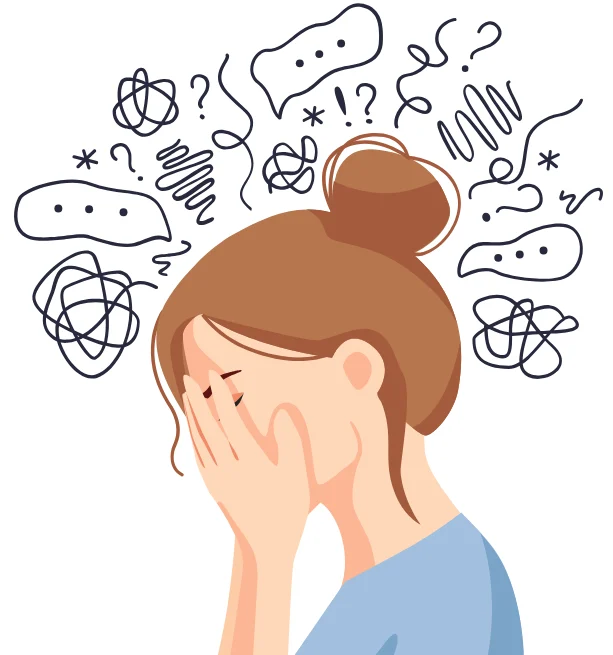
“One of the most helpful first steps is to acknowledge what the holiday brings up, without judging it or rushing past it,” explained Linda.
“These holidays can ‘ambush’ people emotionally, especially when the reminders seem to come from every direction: advertisements, social media, greeting cards, grocery store displays, and casual comments from strangers,” explained Jenn. “Someone may be moving through their day just fine, then suddenly feel sadness, anger, loneliness, resentment, or guilt without fully understanding why.”
“That is why awareness matters,” Linda continued. “With awareness comes choice. When we can identify what we are feeling, we have a better chance of caring for ourselves with intention.”
A useful place to begin is by asking: What does this holiday mean to me? Has it usually been joyful, stressful, disappointing, painful, or complicated? Am I grieving someone? Am I wishing for a relationship that never felt the way I needed it to feel? Am I hoping my family will somehow know what I want without my having to say it?
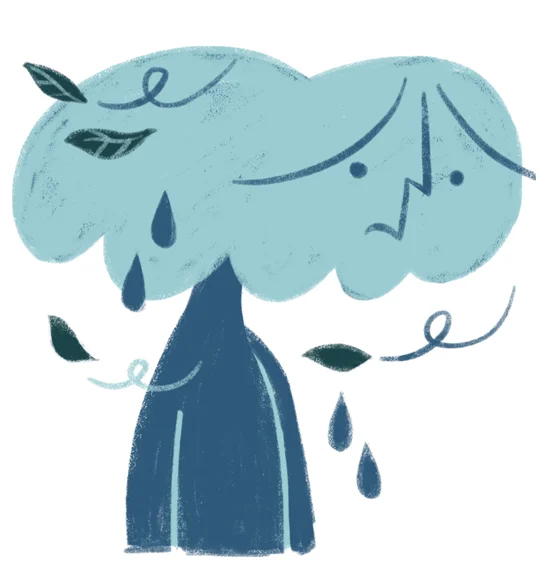
Expectations can be especially powerful. A parent may feel hurt if children do not make the day feel meaningful. An adult child may feel pressured to honor a parent when the relationship is difficult. A new parent may hope for one peaceful, magical day—only to find that children are still children, stress is still stress, and life does not pause for the holiday.
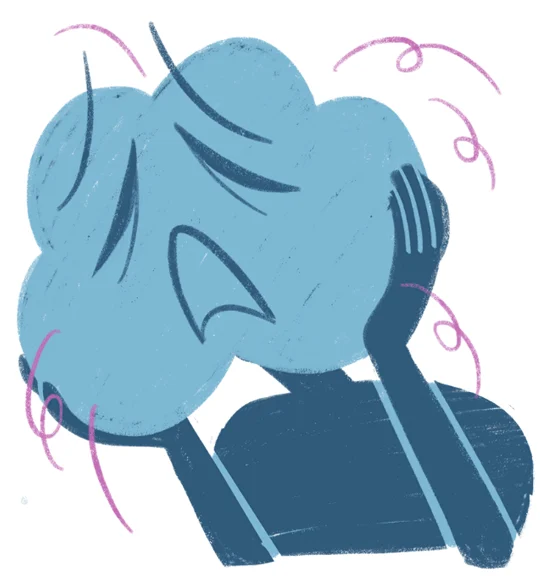
Expectations can be especially powerful. A parent may feel hurt if children do not make the day feel meaningful. An adult child may feel pressured to honor a parent when the relationship is difficult. A new parent may hope for one peaceful, magical day—only to find that children are still children, stress is still stress, and life does not pause for the holiday.
And as more people are openly talking about family estrangement and complicated parent-child relationships, these experiences can make these holidays especially emotional and isolating for many individuals and families.

Linda and Jenn encourage people to speak their needs plainly when it feels safe to do so. Love does not always mean someone knows exactly what you want. Linda offered several suggestions: “Try saying, ‘What I would really appreciate this year is a quiet breakfast,’ or “I’d like to spend part of the day together.’ This can prevent disappointment from becoming a silent test no one knew they were taking.”
For those who know the day may be hard, planning ahead can help. That may mean talking with a trusted friend, scheduling time outside, attending a service or community gathering, volunteering where you already have a connection, or choosing a personal ritual to honor someone you miss. Structure can be comforting, especially when the day might otherwise feel empty or overwhelming.
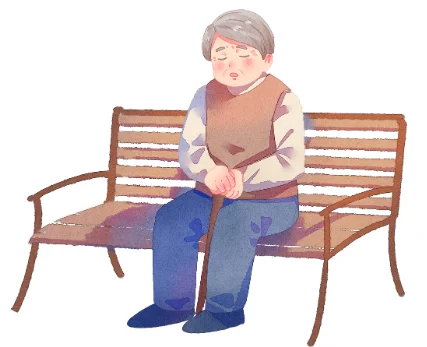
It can also help to limit social media. The curated images of perfect families and retouched celebrations can deepen the sense that everyone else belongs somewhere. In reality, many people are quietly navigating their own tender version of the day.
Journaling can be another useful tool—not polished writing, not a diary for anyone else to read, but an uncensored place to release what is happening inside. There is no need for perfect grammar or even complete sentences. The point is to give the feelings somewhere to go.
Most importantly, people should be gentle with themselves. Feelings are not failures. They are messages. Sadness, disappointment, anger, or loneliness may be pointing toward grief, unmet needs, old wounds, or a longing for connection.
There is no single right way to move through Mother’s Day or Father’s Day. For some, the day will be joyful. For others, it may be tender, messy, or mixed. Naming that truth can be a quiet form of care.
For anyone struggling — you are not alone. Support, conversation, and community can help carry what feels too heavy to hold alone.
For more information about JFSLA’s mental health resources please call 877-275-4537 or email services@jfsla.org.

