
JFS Hope: Training the Next Generation
An Internship Grounded in Compassion and
Domestic Violence Survivor Support
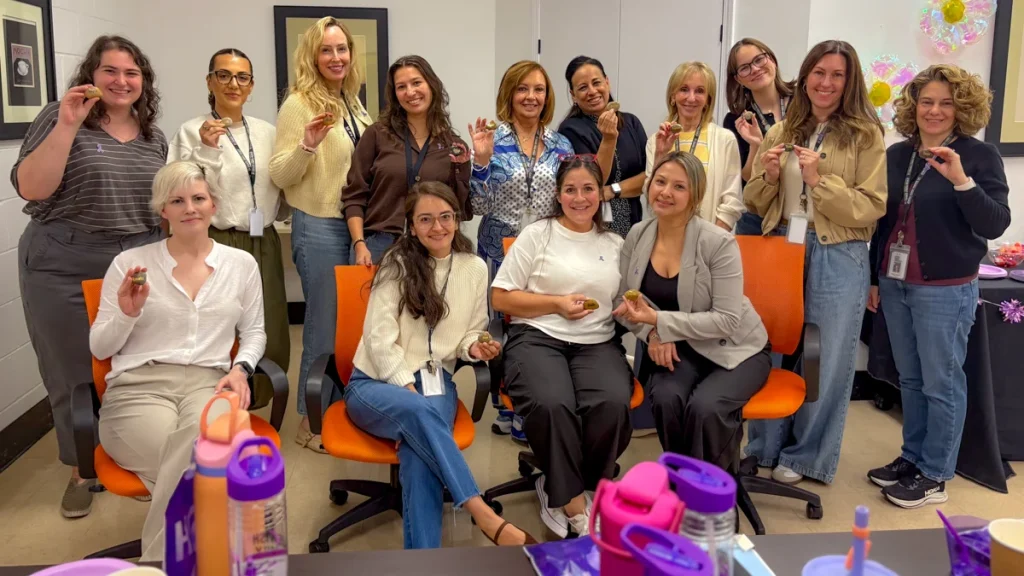
Domestic Violence Awareness Month reminds us that behind every statistic is a person whose life has been changed by abuse—and whose path toward safety and healing deserves compassion, dignity, and support.
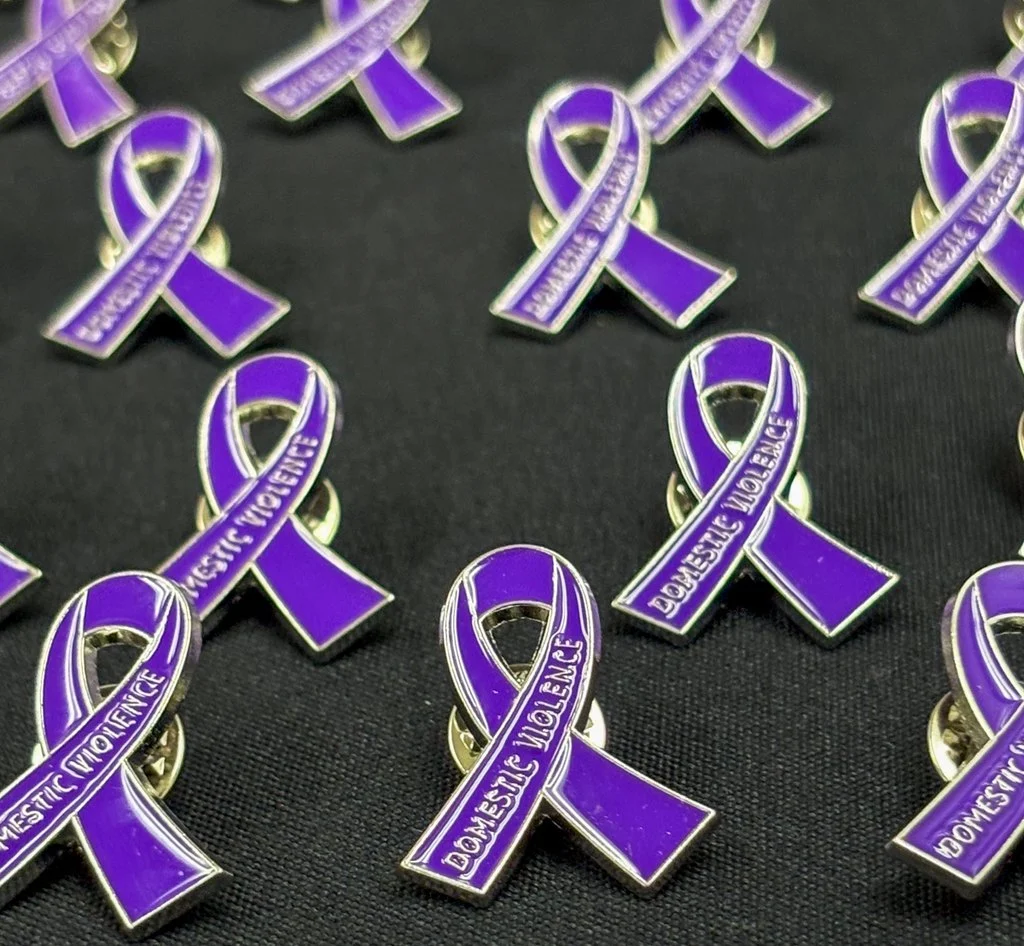
At Jewish Family Service LA, that commitment comes to life through JFS Hope, where survivors of domestic violence and their children can find safety, counseling, practical assistance, and the opportunity to rebuild their lives.
Behind this work is a dedicated team of clinicians who bring not only professional expertise but a deep commitment to the people they serve. And through JFS Hope’s growing clinical internship program, they’re preparing the next generation of social workers to carry that compassion forward.
Learning the Work of Healing
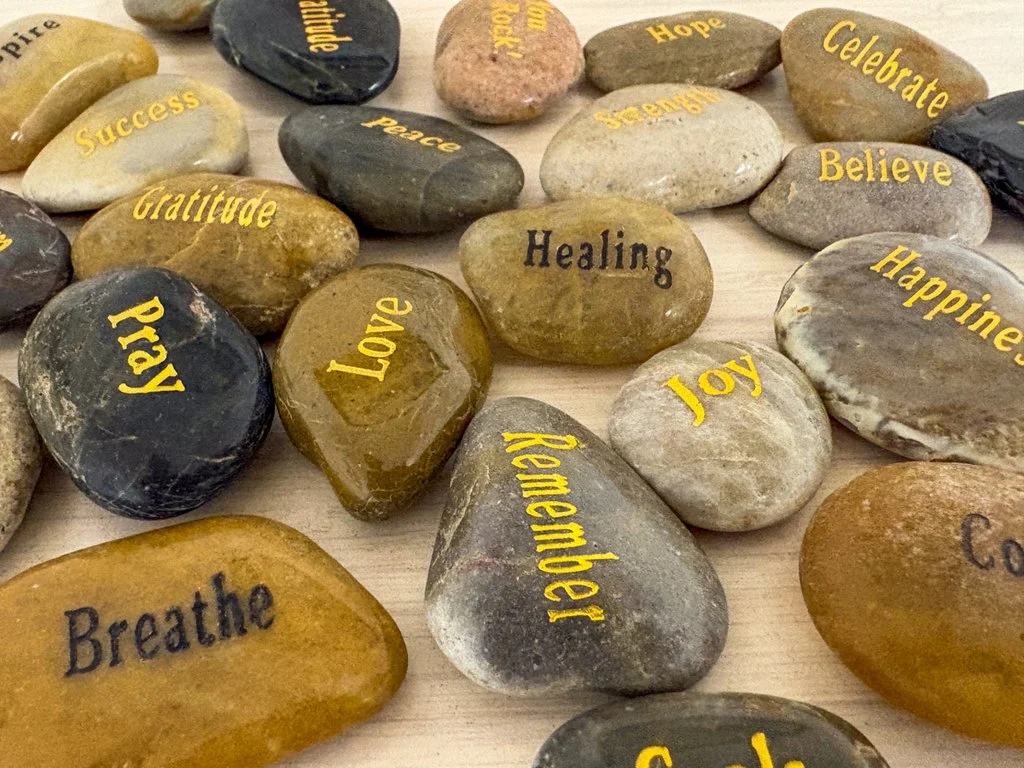
For Robyn Altmann, Director of JFS Hope’s Clinical Services and Coordinator of Practicum Education, preparing future clinicians is an essential part of the mission.
Together with Vivian Engle, JFS Hope Lead Clinician, Robyn mentors social work and MFT students from universities including UCLA, USC, CSUN, Cal State LA, and programs across the country. With interns now able to attend classes remotely while remaining based in Los Angeles, the program has expanded its reach, welcoming a growing number of participants across the city.
We recognizing the whole person—not just
the crisis that brought them through the door.— Robyn Altmann
Interns receive 40 hours of domestic violence training before taking on clinical responsibilities. They observe assessments, cofacilitate support groups, provide counseling under supervision, and learn to recognize the complex challenges facing survivors.
But no textbook can fully prepare someone for the realities of this work.
Survivors may be navigating trauma alongside urgent concerns about housing, finances, childcare, transportation, and personal safety. Healing doesn’t always follow a predictable path, and progress can be difficult to measure.
A Place to Learn, Question, and Grow
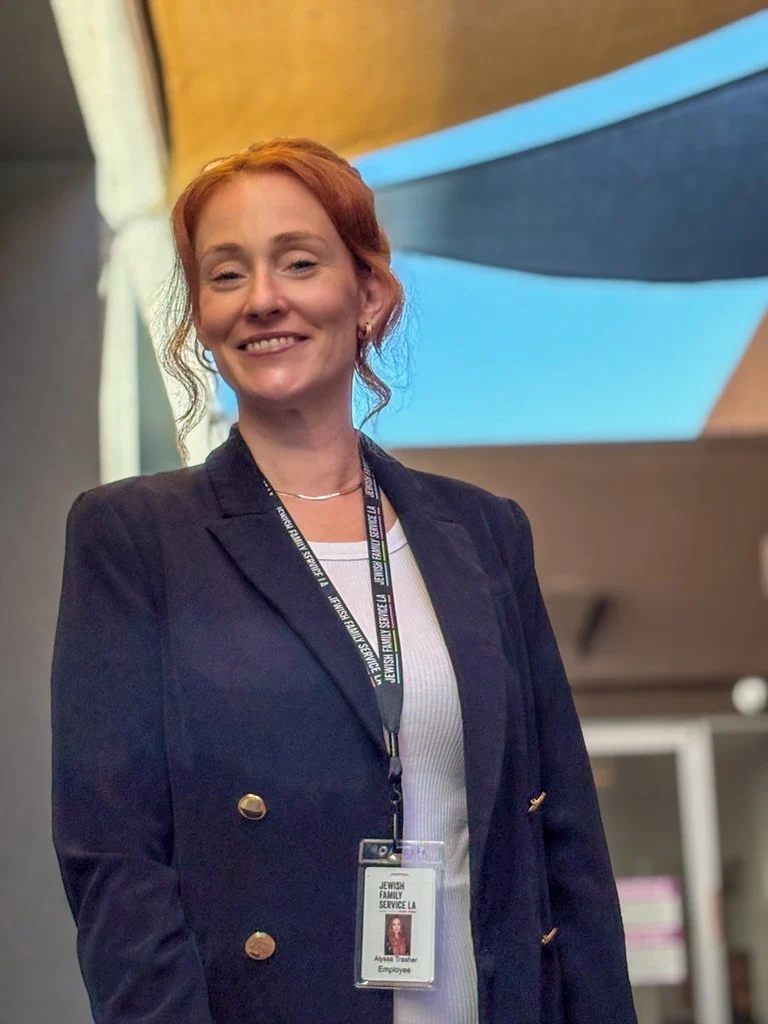
What Aly Trasher discovered during her internship changed her understanding of domestic violence and the care survivors need.
During her 600-hour internship, Aly provided individual counseling, cofacilitated a support group, and conducted assessments, supported by experienced clinicians who welcomed her questions and encouraged her growth.
“I felt really comfortable bringing my questions to the table,” she recalls. One of the most important lessons was learning to respect each survivor’s pace. “Building rapport can take some time,” Aly explains.
Sometimes that means pausing an assessment, rescheduling a conversation, or simply giving someone the space to feel comfortable enough to speak.
It also means understanding that survivors are the experts in their own lives. A clinician’s role isn’t to make decisions for them, but to help them recognize their choices and strengths.
After completing her internship at JFS Hope and graduating from Boise State University, Aly transitioned into a role with JFSLA’s Raising Baby program for new parents. Her work now brings her closer to her original interest in supporting children and families, while allowing her to apply the trauma-informed counseling skills and survivor-centered approach she developed during her internship.
A New Career, A Shared Commitment
For Lauren Gerber, a current intern from the University of Michigan, the journey to JFS Hope followed 15 years in marketing, including work with mental health companies.
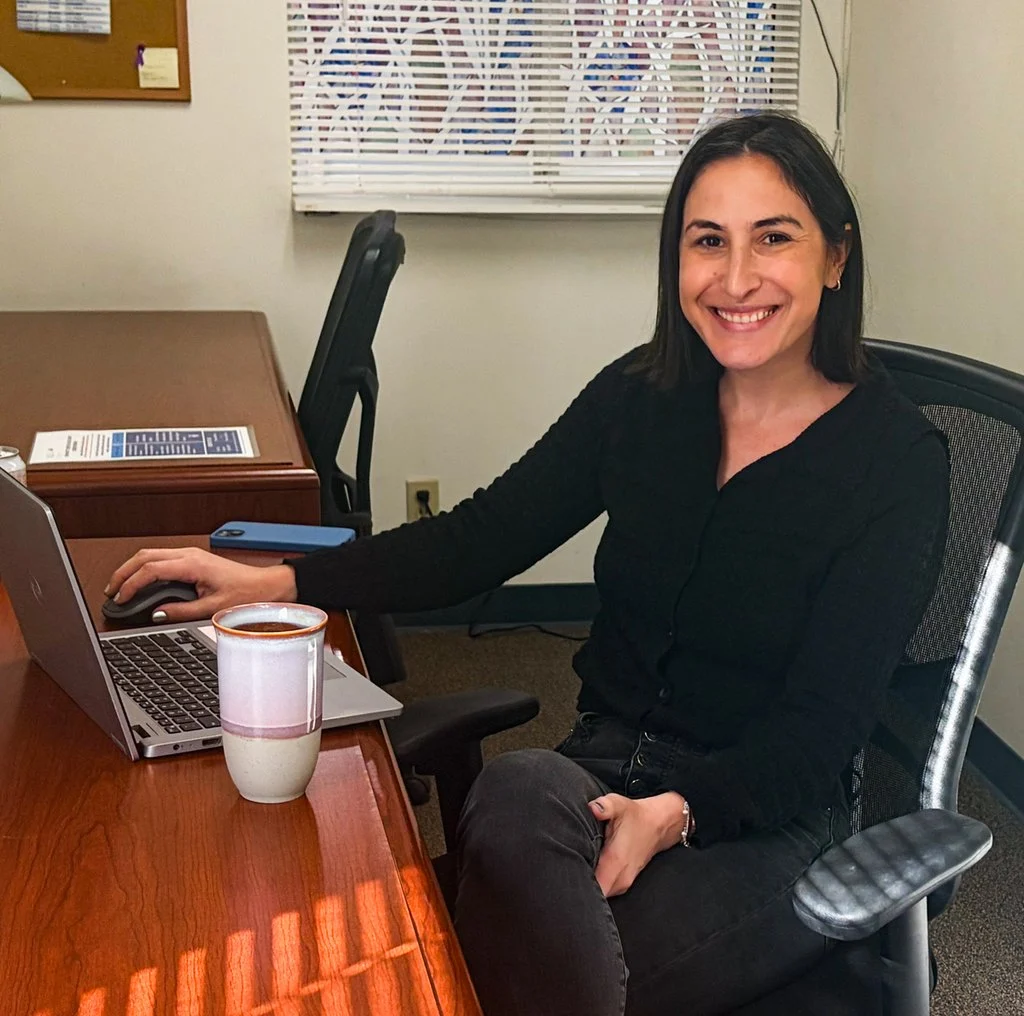
Wanting to make a more direct difference in people’s lives, she chose to pursue social work.
At JFS Hope, she found a team whose dedication is matched by its willingness to teach.
“Our supervisors are so closely connected to us,” Lauren says. “Robyn Altmann has been my anchor.”
That support extends well beyond scheduled supervision. Difficult questions, challenging cases, and moments of uncertainty become opportunities to learn from clinicians who bring years of experience and a genuine passion for helping survivors.
Lauren hopes to pursue a career in couples counseling, where her training at JFS Hope will be especially valuable. Understanding the dynamics of power, control, and abuse will help her recognize when traditional couples counseling may be inappropriate or unsafe, and how to approach relationships with greater sensitivity and awareness.
For Lauren, one message is especially important: “No behavior justifies violence.”
It’s a simple truth, but one that can take time for survivors to fully believe after experiencing abuse.
Carrying Compassion Forward
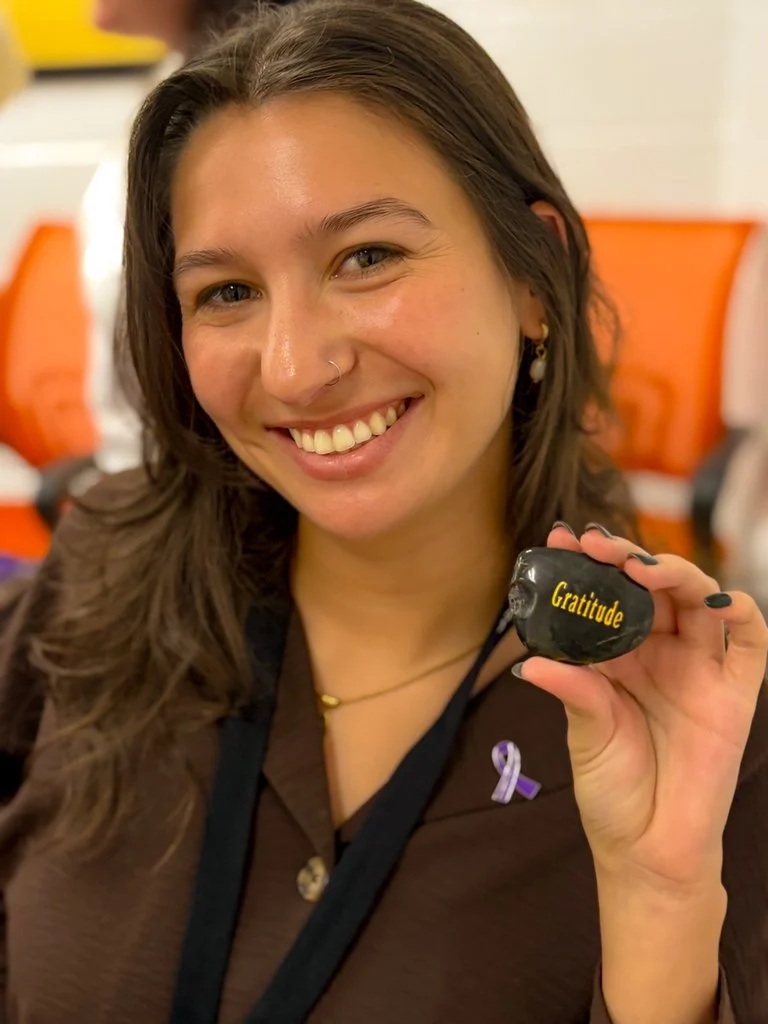
Domestic violence is not always visible. Neither is the painstaking work of recovery.
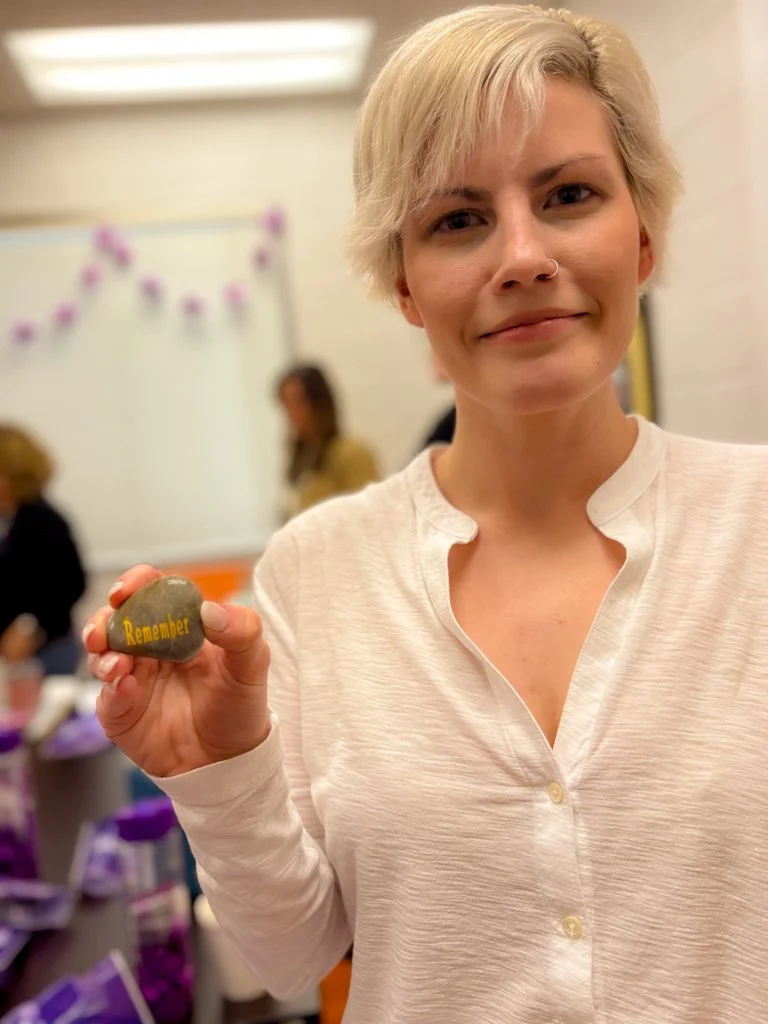
At JFS Hope, clinicians and interns understand that healing may begin with being heard, having a choice respected, or finding someone who believes in your ability to move forward.
Through its internship program, JFSLA is doing more than training future social workers. It’s nurturing thoughtful, compassionate professionals who will carry these lessons into communities and careers far beyond JFS Hope.
Aly captures that purpose best, “Maybe I can make some people’s lives just a little bit better.”
And sometimes, that difference can change a life.
If you or someone you know needs help, please call JFS Hope’s crisis lines at 818-505-0900 or 323-681-2626. For more information, please visit jfsla.org/hope.

