
Social Workers Showing Up
Where it Matters Most
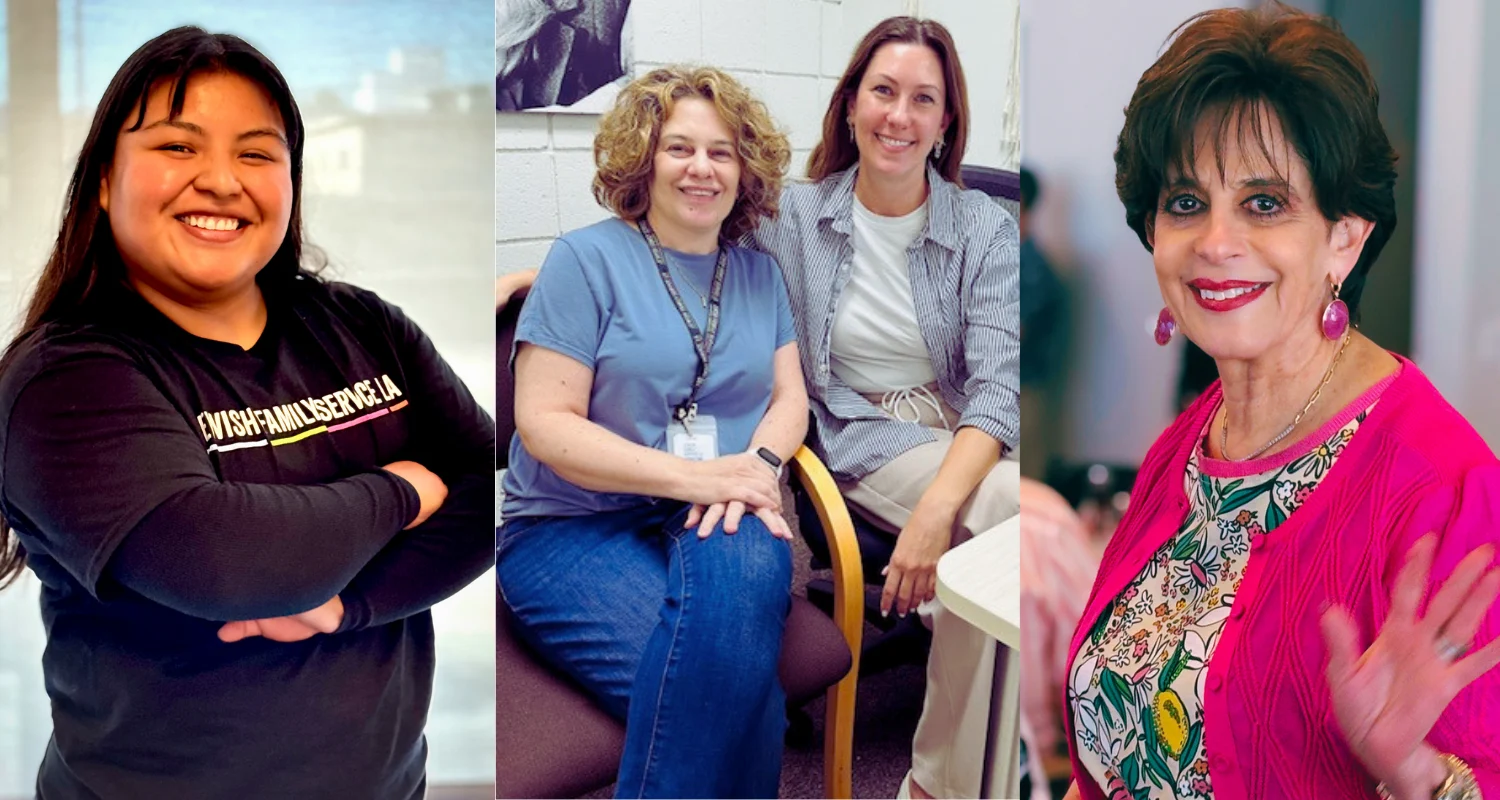
At Jewish Family Service LA, social workers serve in many roles — often all at once.
They provide mental health counseling, help families secure housing, support survivors of domestic violence, guide clients through complex benefit systems, and build community programs that reduce isolation. Some work directly with individuals in crisis. Others train the next generation of case managers and clinicians. Many do both.
What connects them is not a single task, but a shared responsibility: helping people navigate some of the most difficult moments in their lives with support, structure, and dignity.
During National Social Worker Month, we recognize the depth and range of this work — and the people behind it.
From Crisis to Stability
When a young mother was living in an uninhabitable domicile with her two-year-old child, she had run out of options. The space had no running water, no kitchen, and little protection. Still, it was the only place she could afford.
She came into contact with JFSLA through its housing support services, where Floridama “Flori” Manuel, Homeless Prevention Program Supervisor, works directly with clients navigating housing insecurity.
Flori joined JFSLA in July 2024 as a housing navigator and case manager and quickly grew into a supervisory role — reflecting both the urgency of the work and her ability to meet it. Her path to social work began long before that.
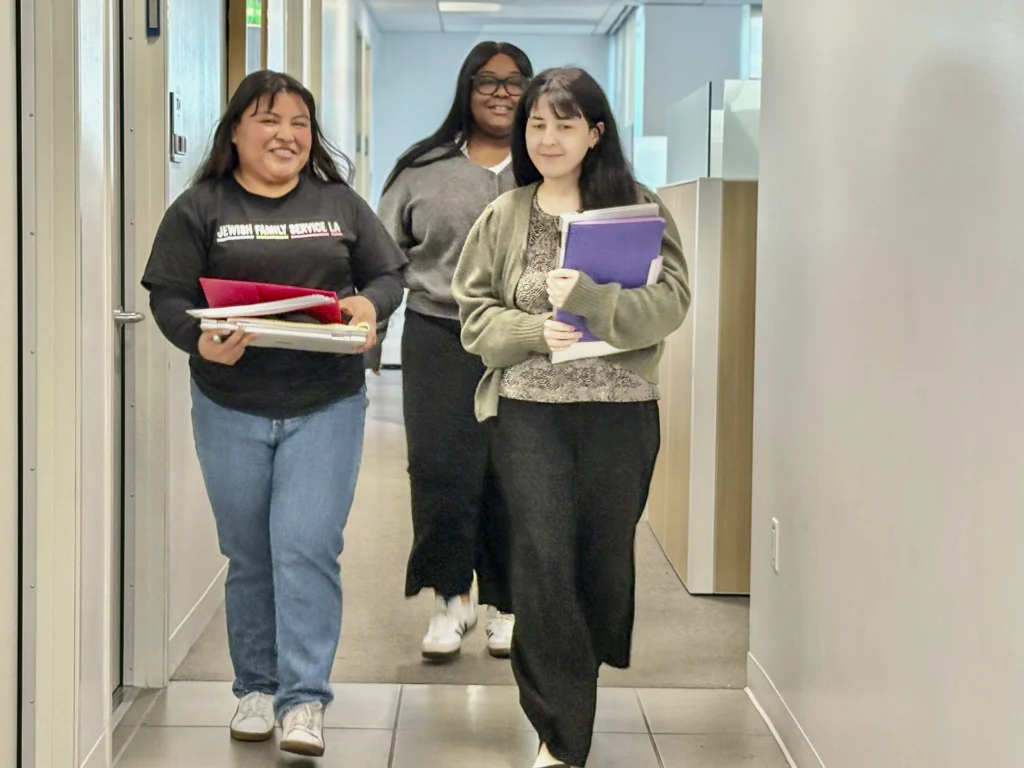
“Sometimes it’s just connecting someone to the right resource — or simply listening. When people realize they’re not alone, that support is there, that’s when real change starts,” said Flori.

Originally from Los Angeles, Flori grew up in the Pico Union neighborhoods, where she saw firsthand how many people struggled to access basic resources “This work aligns with everything I believe in—helping others, showing compassion, being there when it matters. It’s not just what I do, it’s who I am,” Flori said.
At JFSLA, her work involves searching for housing, negotiating with landlords, and helping clients navigate a system where affordability is often out of reach. In this case, that meant identifying safe housing, advocating on the client’s behalf, and helping her transition into a stable home.
Within weeks, the mother and her child moved into a small but safe apartment — with running water, a kitchen, and a secure place to live.
Holding Space for Healing
JFS Hope is JFSLA’s comprehensive domestic violence program, providing both immediate safety and long-term support for survivors. Services include emergency shelter, transitional housing, outpatient counseling, and ongoing case management — helping individuals and families move from crisis toward stability.
Within that system, social workers operate across both clinical care and program leadership.
“There’s no substitute for human interaction. That direct contact is where the learning happens.”
– Robyn Altmann
Director of Hope Clinical Services
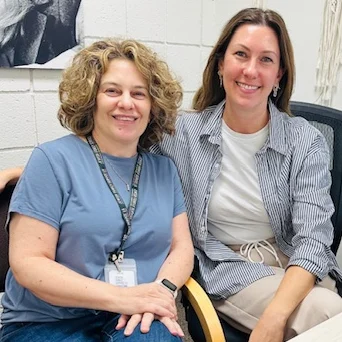
“The role of the social worker is not to ‘fix’ people, but to support
them as they rebuild safety, agency, and hope.”– Vivian Engle
Clinician, Hope Counseling
Robyn Altmann, Director of JFS Hope Clinical Services, oversees the clinical framework of the program, while Vivian Engle, a JFS Hope clinician, works directly with clients navigating trauma and recovery. Together, their roles reflect how social work at JFSLA functions in practice — combining therapeutic expertise with coordinated, long-term support.
“For me, social work is ultimately about restoring dignity and possibility to people during some of the most difficult moments in their lives,” Vivian said.
That approach centers on partnership. Clients are not directed toward a single outcome — they are supported as they make their own decisions and move forward on their own terms, with guidance and resources in place
Training the Next Generation
Beyond direct service, JFS Hope also serves as a training ground for future social workers.
In her role, Robyn Altmann supervises graduate-level interns, guiding them as they move from academic learning into real-world practice. Early on, that means close support.
“In the beginning, we have to hold their hands,” she said. “But by the end, they’re working with confidence. They feel like part of our staff.”
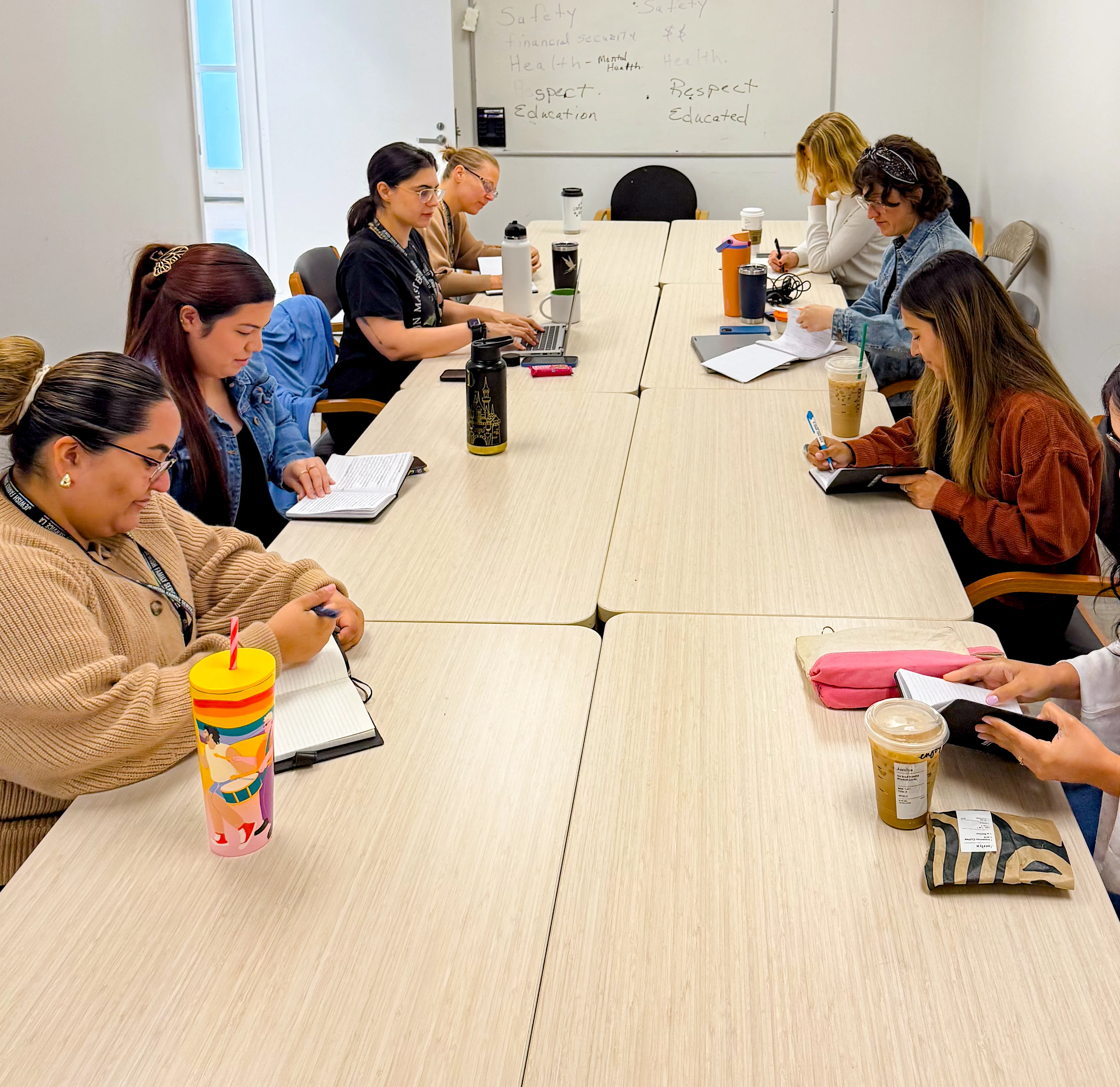
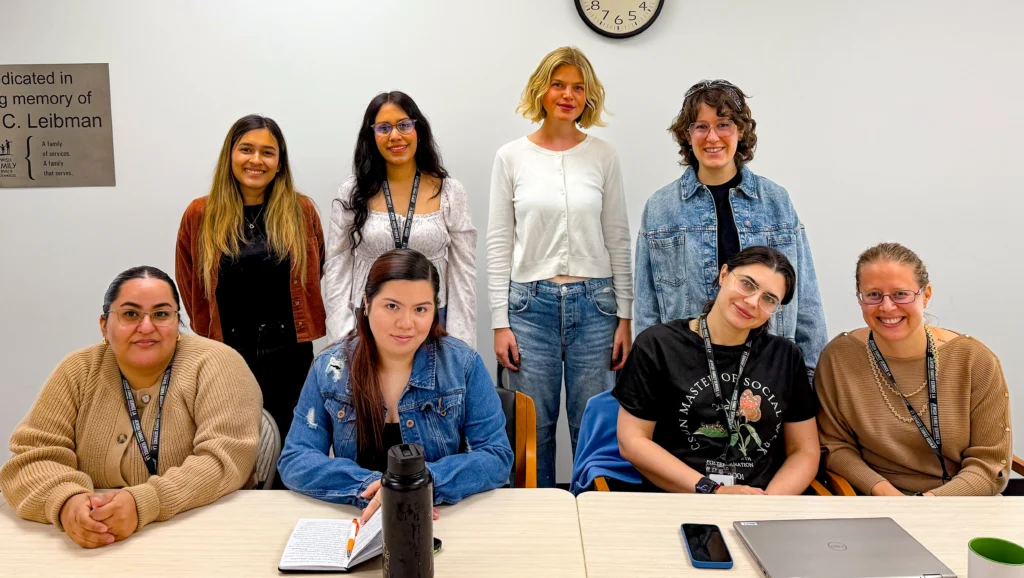
This hands-on training model ensures that new clinicians develop both technical skills and professional judgment — learning how to respond to complex situations, build trust with clients, and work within multidisciplinary systems.
“There’s no substitute for human interaction,” Robyn said. “That direct contact is where the learning happens.”
Through this work, JFSLA is not only providing services today, but helping shape the next generation of social workers who will carry that work forward.
Building Spaces of Belonging
Not all social work begins in crisis.
For Susan Belgrade, Senior Director of Multipurpose and Senior Centers, the focus is on preventing isolation and building community — particularly for older adults.
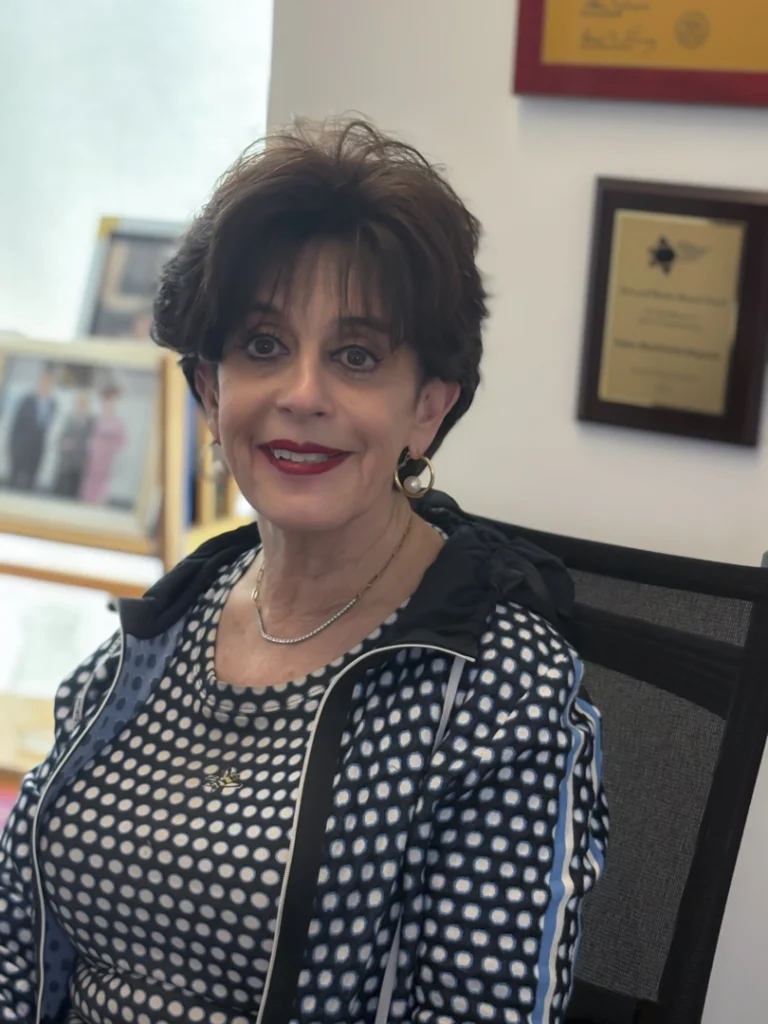
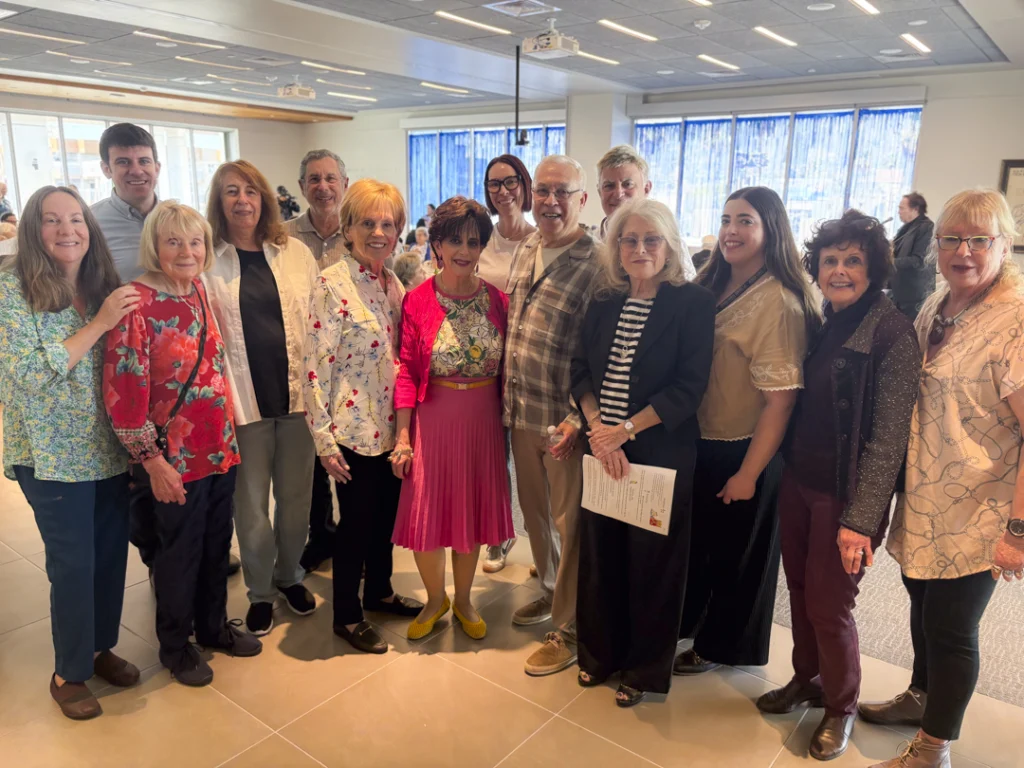
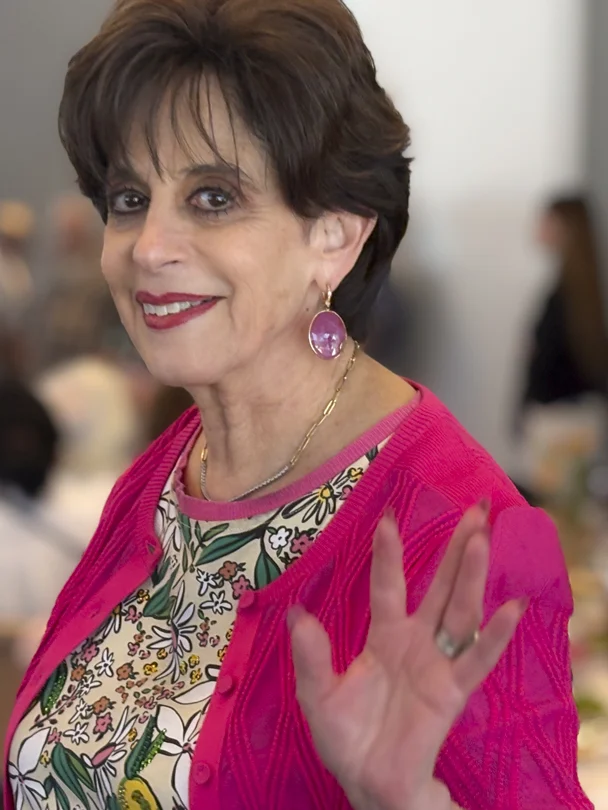
Over more than two decades at JFSLA, Susan has expanded programming beyond basic services to create spaces where people can connect and engage with one another. That includes cultural events, celebrations, and regular weekly gatherings — including Shabbat programs — that bring individuals together in a consistent, supportive environment.
Social connection is essential to human health, and for isolated seniors, these gatherings provide a vital sense of belonging.
“There’s real joy in being part of a community that cares for each other,” Susan said. “Knowing you can help, that you can show up for someone — that’s what makes this work meaningful.”
Susan’s approach is shaped by both professional experience and personal history. Raised in an Orthodox Jewish household and the child of Holocaust survivors, she grew up with a strong understanding of resilience, responsibility, and the importance of community support.
At JFSLA, that perspective translates into ongoing program development, partnership building, and advocacy. Susan is continually expanding and strengthening programming —building support for services she knows are essential, including grief support, classes for family caregivers, and most recently art and music therapy, ensuring that services do more than meet basic needs, but create opportunities for connection, dignity, and participation.
A Living Safety Net
Across JFSLA, social workers take on many roles — but their work is interconnected.
They provide counseling, secure housing, respond to violence, guide clients through complex systems, and create programs that reduce isolation. Some work one-on-one with individuals in crisis. Others build the structures that make long-term support possible.
Their work is not defined by a single service, but by a shared purpose: helping people navigate difficult moments, access the resources they need, and move forward with stability and support.
For the care they offer, the trust they build, and the steady presence they bring to people’s lives each day, we are deeply grateful to the social workers of JFSLA.

