
Seniors Across LA Are Starving-Westside Current
Now Further Cuts Could Push Meal Programs Over the Edge
Written & photos by Rachael Gaudiosi | Westside Current
Published Oct 20, 2026

LOS ANGELES — The state is currently reviewing a proposed cut to senior services in urbanareas — bringing another possible year of cutbacks to programs supporting older Angelenos.
The proposed state funding change would cut dollars to a system that has already been confronting meal and service waitlists.
“I get here at eight in the morning, five days a week to make sure I am the first in line because this is my meal of the day,” Sharon Boaz, 80, told the Westside Current. “I wouldn’t eat if it weren’t for this service, I am dependent on it. It is a blessing.”
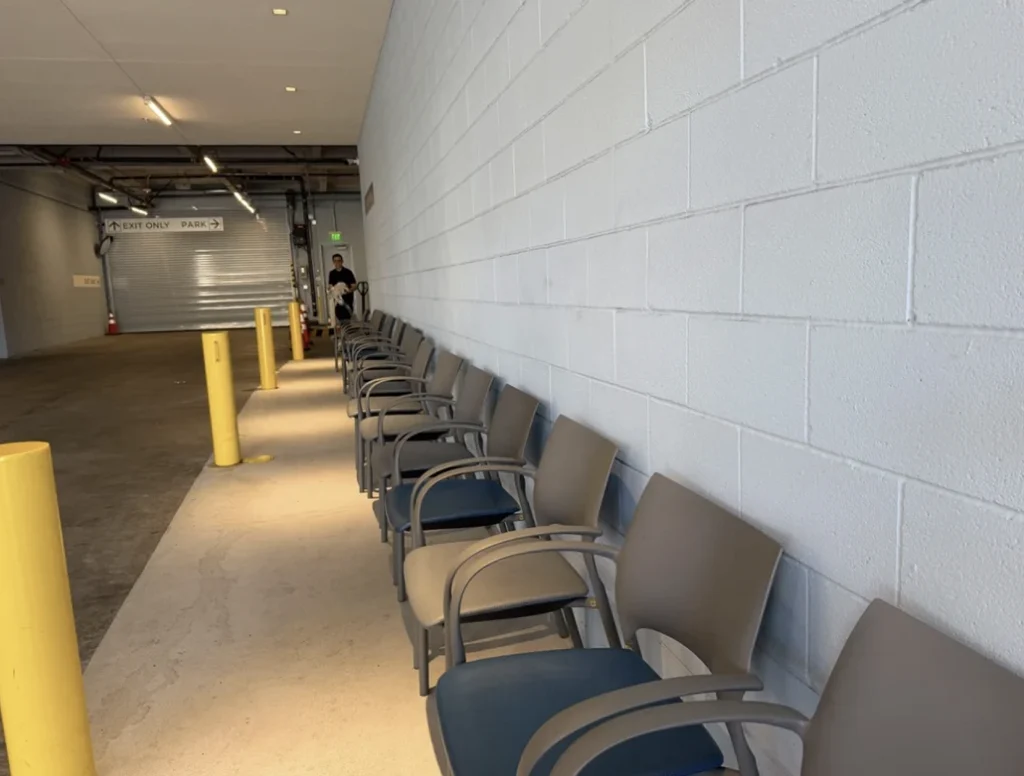
Boaz is not the only senior who arrives early at the center to ensure a meal for the day. Workers at Jewish Family Service of Los Angeles (JSFLA) said the chairs outside are always filled when they open the doors, even on the days of extreme heat or rain.
“One day I came late and there was no more food left, that really frightened me,” said Boaz, tearing up. “I get emotional because if this service weren’t here, I wouldn’t eat.”
On the weekends when the meal centers are not open, Boaz said a Crohn’s disease diagnosis makes it easier for her to go without a full meal.
For many of those who are turned away when the center reaches capacity, a full meal is skipped for the day.
Knowing the doors won’t be open for some time, seniors begin lining up in the parking lot for the 10:45 A.M. congregate meals at 8:00A.M. in fear they will be turned away if food runs out before they are served. With only a limited number of chairs, some are leftstanding until the room can be transitioned from activity to dining space.Photo by Rachael Gaudiosi
Carmen Cruz arrived in the meal line immediately following her free exercise class at the center on Wednesday. With no meals left to serve, JFSLA was forced to turn her and about ten other seniors away for lunch.
“I’ll go to Bingo, and they usually have snacks there, so I’ll just pick on those,” said Cruz, who heard of the service through a friend about three years ago.
Now retired, Cruz said her fixed income can cover the cost of breakfast and some snacks for when she is hungry at night, but it would not cover three meals a day if she needed it to.
“My monthly income is not enough to buy food, everything is so expensive,” said Cruz. “Even with coming here, usually I run out of money to buy anything before the end of the month.”
While the need for seniors like Cruz and Boaz may have grown in recent years, the funding forthe services they rely on has not.
The Numbers Behind The Stories
At the same time older Angelenos are being turned away for meals, California is preparing to update the formula used to fund senior services across the state — with the county expected to take on what providers are describing as devastating cuts.
“They’re taking a pie, and they are slicing it differently, but this doesn’t change the fact the pie was already too small to begin with,” said Eli Veitzer, President and CEO at JSFLA. “The system is woe fully underfunded. We need to add more dollars to the system so that no one is losing money.”
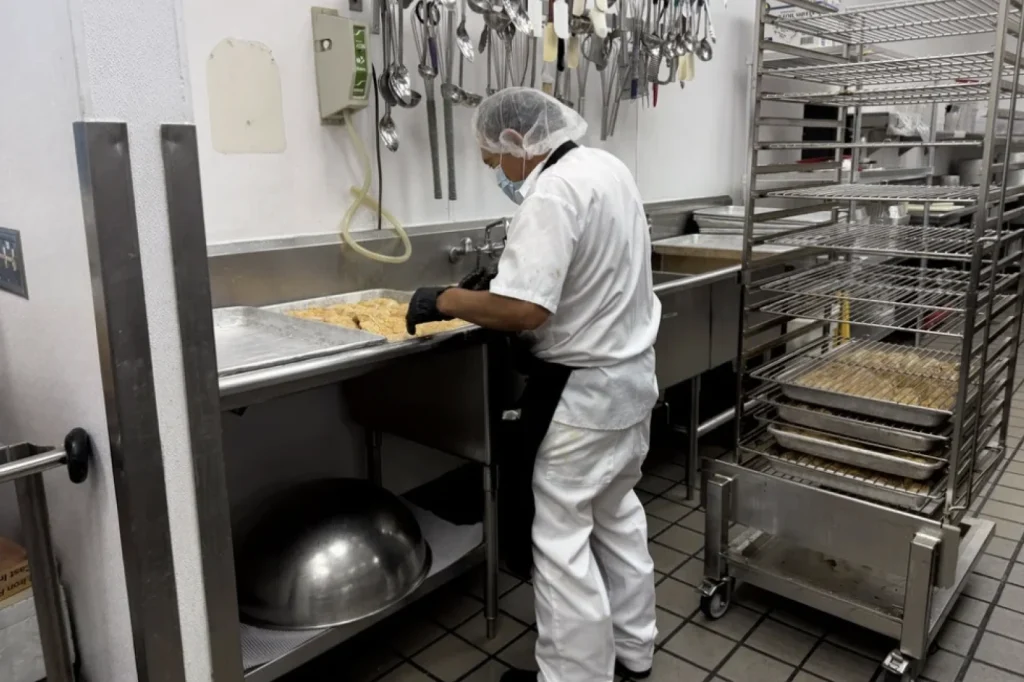
The soon-to-be-updated Intrastate Funding Formula (IFF) decides how the state divides upfunding with local agencies that provide services for older adults. These agencies, called AreaAgencies on Aging (AAAs), support services for seniors like congregate and home-deliveredmeals, legal services, and caregiver support.
The formula has not been updated in decades, and the state is currently attempting to do so in away that “better reflects today’s older adult population, community needs, and barriers to access.”
For Angelenos, this means an estimated 17% reduction in funding under the latest proposal — acut that officials say would result in the loss of 1,500 meals per day, or 396,000 per year.
“California’s older population is growing; the appropriation that serves it has shrunk in current dollars,” the Los Angeles Coalition for Aging (LACA) wrote Sacramento regarding the proposed funding change. “We urge the Department to state plainly to the Legislature and the Administration that the current appropriation is insufficient to meet demonstrated need, and we ask the California Legislature to increase total funding for aging services. Redistribution is not a substitute for adequate funding.”
According to the California Department of Aging, nearly 1.5 million, or 61%, of seniors living in Los Angeles County reported feeling burdened by the cost of housing in 2025. In the same year, nearly 20% were reported to live in poverty.
“Locally, governments have just relied on the federal dollars to be able to provide some services, and that’s not going to work. We need recognition that we may have to take on some of this responsibility,” said Veitzer. “It’s hard because it’s not like the city and county are sitting on a bunch of money, but these are questions we need to start asking.”
Funding Insecurity
In August, Meals on Wheels West announced their first waitlist in 51 years. As of early October, the group told the Westside Current they still have 90 seniors on the waitlist, with more being added on an on going basis.
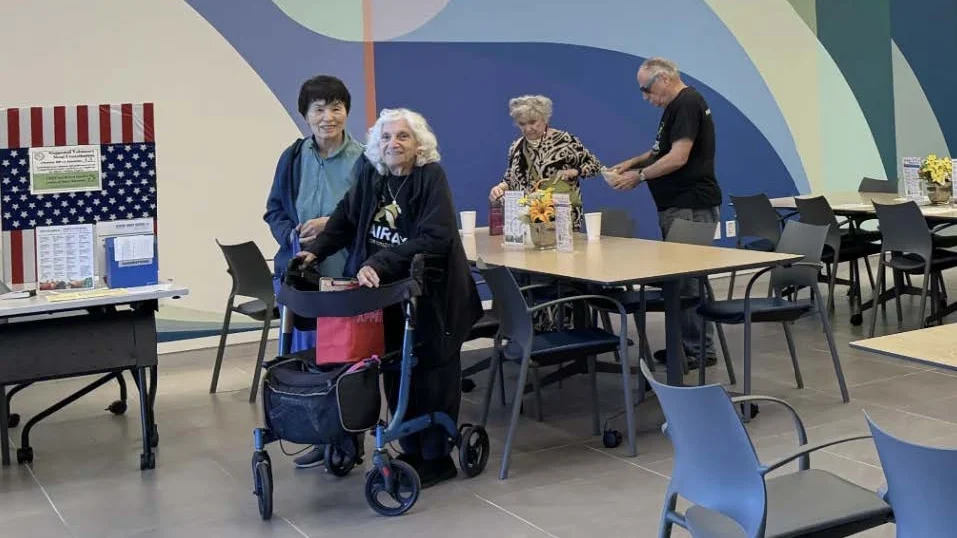
The waitlist comes amid funding cuts to meal services that have been ongoing for years.
For many food-insecure seniors, the free classes offered and the communities formed at congregate meal sites are vital for their mental and physical health. Volunteers told the Westside Current that social interactions can often lead to identifying pressing issues like cognitive decline that could otherwise go unidentified. In 2024 and 2025, the Current reported on significant city budget cuts that severely decreased the capacity for senior home meal delivery. Due to these cuts and others, JFSLA, one of the region’s major senior-nutrition providers, reduced its congregate-meal network from 16 sites to 11.
Before the city folded the department into the Community Investment Department this year, the adopted City 2025–26 Aging budget fell from $11.51M to $10.77M. Its general fund share fell nearly $1 million, from $7.53M to $6.59M, and the department lost seven budgeted positions.
On the County level, the FY 2025–26 adopted budget for the Aging & Disabilities Assistance unit explicitly records a decrease caused by the removal of one-time funding for Area Agency on Aging programs and the ARPA program. Its revenue fell from $49.33M budgeted to $45.95M, a $3.38M decline, driven largely by the expiring COVID/ARP money and a smaller federal senior-programs allocation.
With one in four people over 65 relying almost entirely on Social Security benefits that average less than $1,600 a month, according to the state, many are left without money for things like food or transportation once done paying rent.
For older Angelenos like Cruz and Boaz on a fixed income, this reality has brought reliance on these services — and now with the proposed state cuts — fear of losing them.
To read the full article on Westside Current: https://www.westsidecurrent.com/news/watchdog/seniors-across-la-are-starving-now-further-cutscouldpush-meal-programs-over-the-edge/article_21fa0c11-d58a-4d32-a1e0-867254bda8de.html

