
Perinatal Mental Health in the Spotlight
by
Melanie Weiner, LMFT, PMH-C
Clinical Supervisor, Raising Baby & New Parents Connect

Conversations have started where there were no conversations before. Conversations are deepening in places where they were already happening. And while the spotlight is a boon, it also makes more people afraid. Our clients are talking about it, and we at New Parents Connect and Raising Baby are talking about it.
First, a definition and some statistics:
For those less familiar: perinatal mood and anxiety disorders (PMADs) are an umbrella term for the range of mental health conditions that can arise during pregnancy or after birth, including depression, anxiety, OCD, and, rarely, psychosis. PMADs affect about 1 in 5 mothers and 1 in 10 fathers. Postpartum psychosis affects approximately 1–2 out of every 1,000 births. While suicide is a risk of untreated PMADs, infanticide is rare.
Sleep deprivation, often worsened by breastfeeding and pumping around the clock,
is one of the biggest, if not the biggest, trigger.
Here are some key points that have emerged from our conversations:
Reproductive mental health is critical, especially for women
Women’s bodies, hormones, and brains are under-understood. For instance, only recently has there been a light shown on menopause and ways for women to get more compassionate care. Although attention to perinatal mental health has been growing, women (and families), who often feel isolated, ashamed, and afraid do not know where to find knowledgeable help. Or the help they find is not attuned to their condition.
Perinatal mental health conditions play into taboos surrounding motherhood in America. Mothers tell us that they feel held to standards of holding it all together – and being happy about motherhood in every moment. This contributes to isolation, guilt, shame and fear.
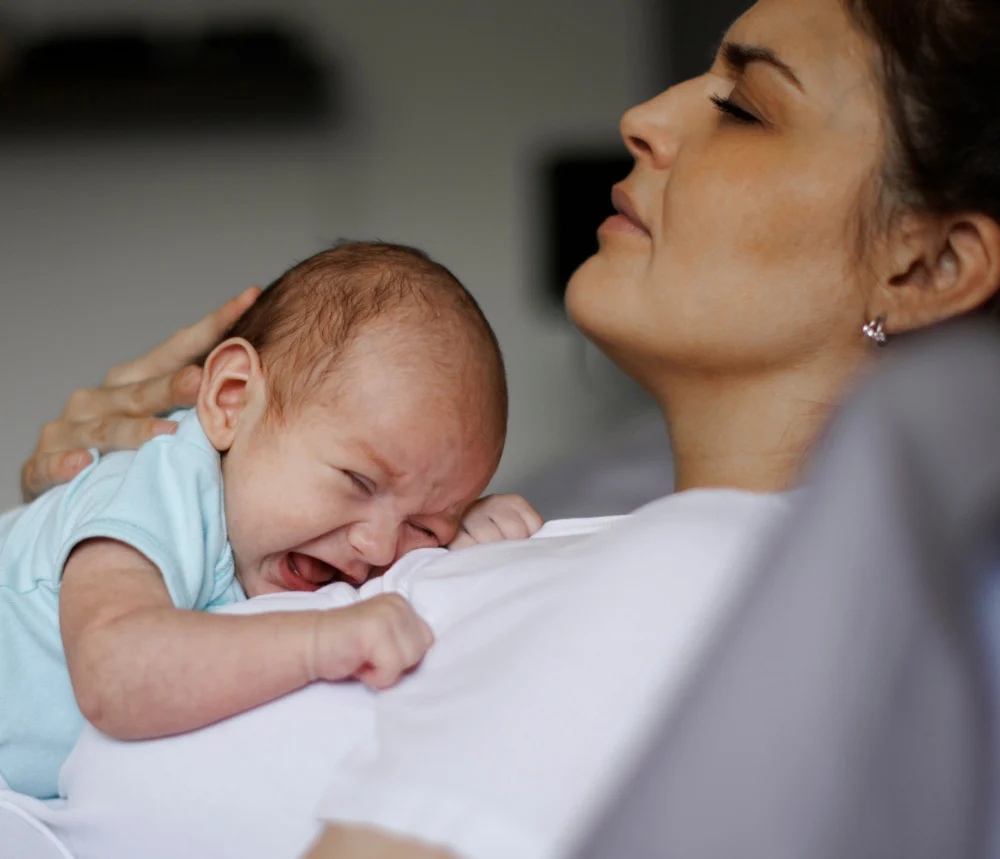
Perinatal mental health conditions affect a system, not just an individual. A perinatal mental health condition does not affect only the person experiencing it; it affects the entire family system. Fathers experience these conditions too, especially when a partner is suffering from one. Caring for a baby is a family concern, and the whole family needs support and information.
Serious sleep deprivation can be a major contributor to worsening mental health symptoms during the perinatal period, and some people are particularly vulnerable to hormonal changes and sleep disruption. We need to emphasize this to families.
We need coordinated care
We must continue to overcome silos and fragmented care. Most of us know what those look and feel like.
Despite our best efforts, tragedy can happen. As professionals, we carry a profound sense of responsibility while also recognizing that people may fall through the cracks. That is honest and hard to say out loud. Our society often polarizes into blame.
We need to avoid polarizing and simplified conversations and positions. While we need more focus on maternal mental health, which is often neglected or not talked about, we need more compassion as a society. Criminalizing perinatal psychosis is a tragedy.
People may be afraid to disclose disturbing thoughts because of shame, fear of losing their child, or fear for and of themselves. We need to encourage people to get help.
JFSLA is here to help.
At JFSLA, we have two free, integrated services under our Early Childhood banner that are designed to help people experiencing perinatal mental health conditions.
Together, New Parents Connect and Raising Baby take advantage of our unique opportunity to wrap around new parents and provide coordinated care.
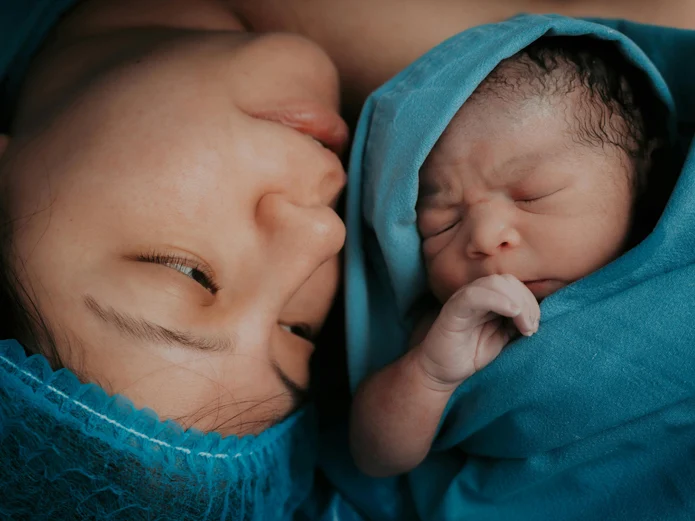
We listen to what parents and families need and respond. We provide mental health support and help parents build communities of support. We coach around things like sleep, feeding and how to support all areas of their babies’ development. We help families with concrete needs like car seats and cribs and help them get other resources they need.
We can see parents, together or separately, for short-term therapy to help them directly address problems. We are there to push a parent to get at least four hours of sleep and to help them figure out how to make that possible. If there is a crisis, we can connect them to more intensive support by helping them navigate often-fragmented health care systems. We have a volunteer expert perinatal psychiatrist who helps us find psychiatrists that families can afford. We make connections, we communicate, we work to break down silos.
Encourage yourself or your loved ones or people you meet to seek help. Whether they are struggling with depression, anxiety, disturbing thoughts or isolation, they should not, and do not need to be, in it alone.
To learn more about Raising Baby and New Parents Connect please visit jfsla.org/raisingbaby and jfsla.org/newparentsconnect.
