
A Place at the Table
Each year at Passover, families gather around the table to tell an ancient story. It is a story of hardship and liberation, of uncertainty and courage, of a people finding their way from oppression to freedom.
But more than anything, Passover is a story about hope.
“Passover is the oldest and most transformative story of hope ever told. It is a story of the defeat of probability by the force of possibility.”
— Rabbi Jonathan Sacks
Passover commemorates the Israelites’ journey out of slavery in Egypt. It is retold through ritual foods, symbolic readings, and shared meals. At the center is a simple but powerful idea: that even in the most difficult circumstances, change is possible—and that we are called to help bring it about.
That message resonates far beyond any one tradition.
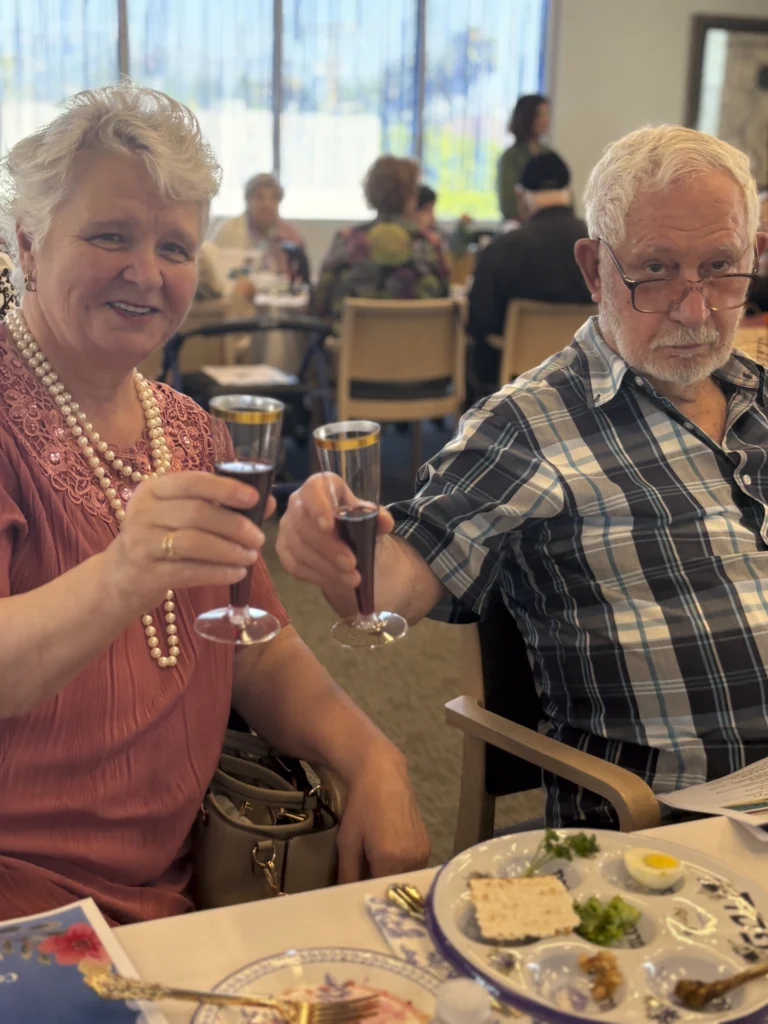
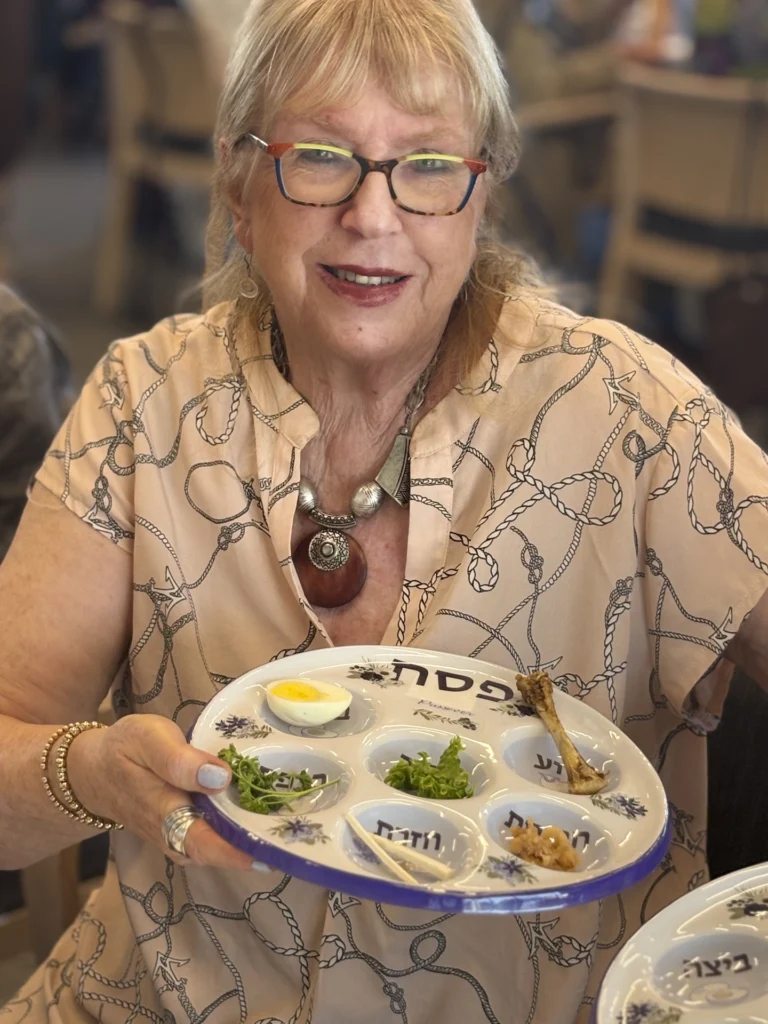

A Table That Includes Everyone
One of the most meaningful elements of Passover is the act of gathering around a table for the seder. Food is not just nourishment—it is connection, dignity, and belonging.
For many older adults in our community, that sense of connection can be fragile. Rising costs, limited mobility, and isolation mean that something as basic as a reliable, healthy meal is not always guaranteed.
During National Nutrition Month, we are reminded that access to food is not a luxury. It is foundational.
Through our pantry services, home-delivered meals, and community meal sites, we help ensure that seniors have consistent access to nutritious food. Whether it’s a delivered meal, a bag of groceries, or a shared lunch at one of our senior centers, these moments do more than meet a basic need. They create stability. They restore routine. They offer a sense of being seen and cared for.
In many ways, this is where the story of Passover becomes present-day.
From Story to Responsibility
Passover does not ask us only to remember the past. It asks us to respond to the present.
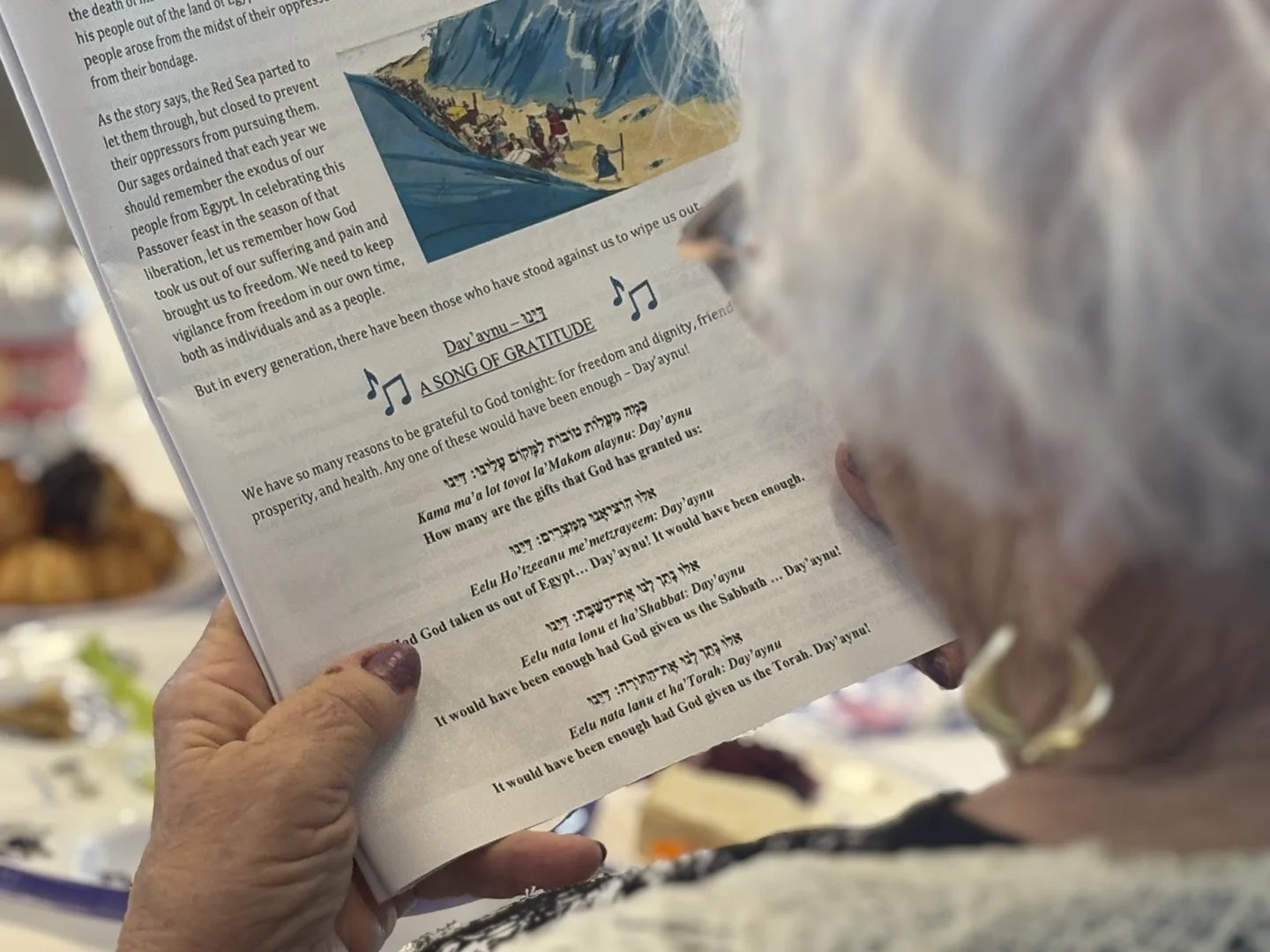
In the traditional telling, we are instructed to see ourselves as if we personally experienced the journey from hardship to freedom. This perspective carries with it a responsibility: to recognize those who are still facing uncertainty and to act with compassion.
For seniors living on fixed incomes, for those navigating health challenges, or for individuals who have outlived their support systems, the struggle is not abstract. It is daily, and it is real.
Providing food—reliably, respectfully, and with care—is one of the most direct ways we can respondIt is also deeply rooted in Jewish values: the belief in caring for one another, honoring the dignity of every person, and building a community where no one is left behind.
Food carries memory.
It carries culture.
It carries love.
This Passover, as we share recipes from our community cookbook, we celebrate more than tradition. We celebrate the act of preparing and sharing food as an expression of care.
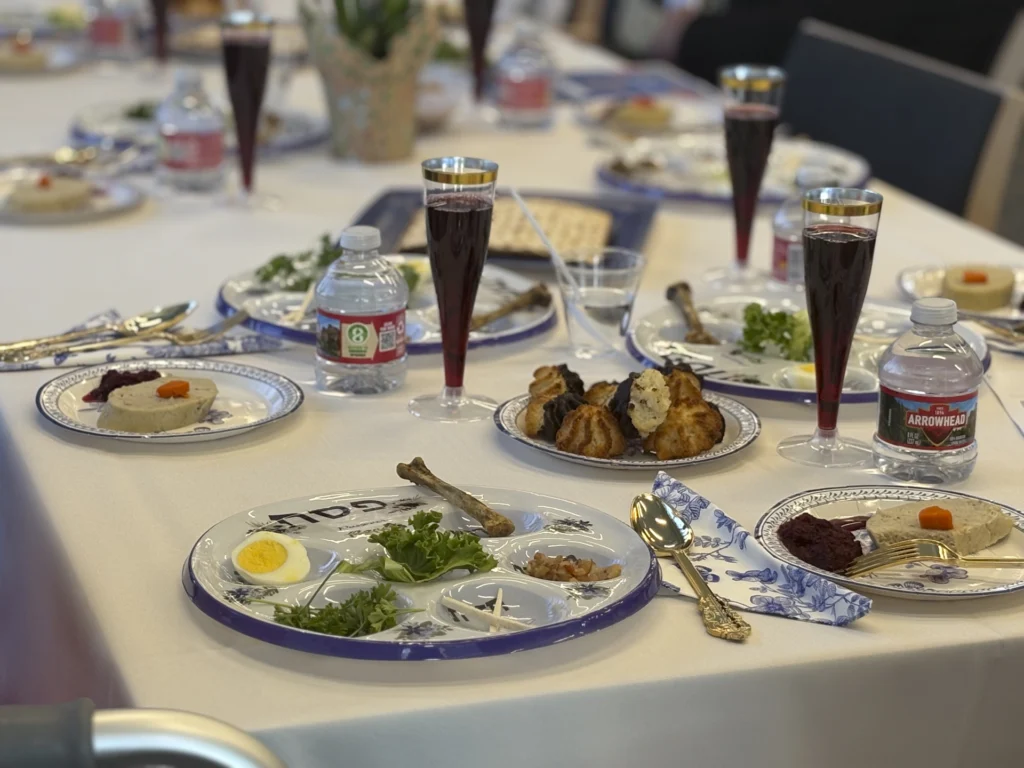
For the seniors we serve, a meal can mean comfort. It can mean familiarity. It can mean the difference between isolation and connection.
And for those who support this work—through volunteering, advocacy, or generosity—it is a way to take part in something larger: ensuring that hope is not just a story we tell, but a reality we help create.
Nourishment in Every Sense
The story of Passover has endured for thousands of years because it speaks to something universal. It reminds us that change is possible, that dignity matters, and that community is essential.
Today, that story continues in very real ways—in every meal delivered, every pantry stocked, every senior welcomed at the table.
Hope, after all, is not only something we believe in. It is something we practice.
To carry these traditions into your own home, we’re including kosher-for-Passover recipes from JFSLA’s Jewish Family Cookbook—filled with cherished dishes and stories shared by our community.
RECIPES

A savory old-world revival
Nana’s Crispy Passover
Potato Kugel
Recipe By Norma Tassler
Ingredients
- 4 large baking potatoes, peeled and kept in cold water
- 4 large eggs
- 4 tbsp peanut oil
- 1 cup cold water
- 1½ tsp seasoned salt (Lawry’s recommended)
- ½ tsp freshly ground pepper (to taste)
- ½–¾ cup matzo meal
- 1 large onion, minced
- 1 tbsp fresh parsley (or ½ tbsp dried)
- ½ coarsely grated carrot (optional)
Instructions
- Prep oven: Preheat to 350°F. Grease a 9½ x 13 x 2-inch baking dish (glass or ceramic).
- Mix wet ingredients: In a bowl, whisk eggs, oil, and water. Stir in parsley, seasoned salt, and pepper.
- Shred potatoes: Drain potatoes. Coarsely shred (food processor or hand grater), removing excess liquid as you go.
- Combine: Add onion and egg mixture to potatoes. Stir to combine. Add carrot if using.
- Add matzo meal: Fold in gradually until fully blended. Mixture should be moist, not dry—adjust slightly with water or matzo meal if needed.
- Bake: Spread evenly in pan. Bake 45 minutes at 350°F. Increase heat to 375°F and bake 10–15 minutes more, until tender with a browned, crispy top.
- Rest & serve: Let sit 10 minutes. Cut into squares and serve. Reheats beautifully (if it lasts that long).
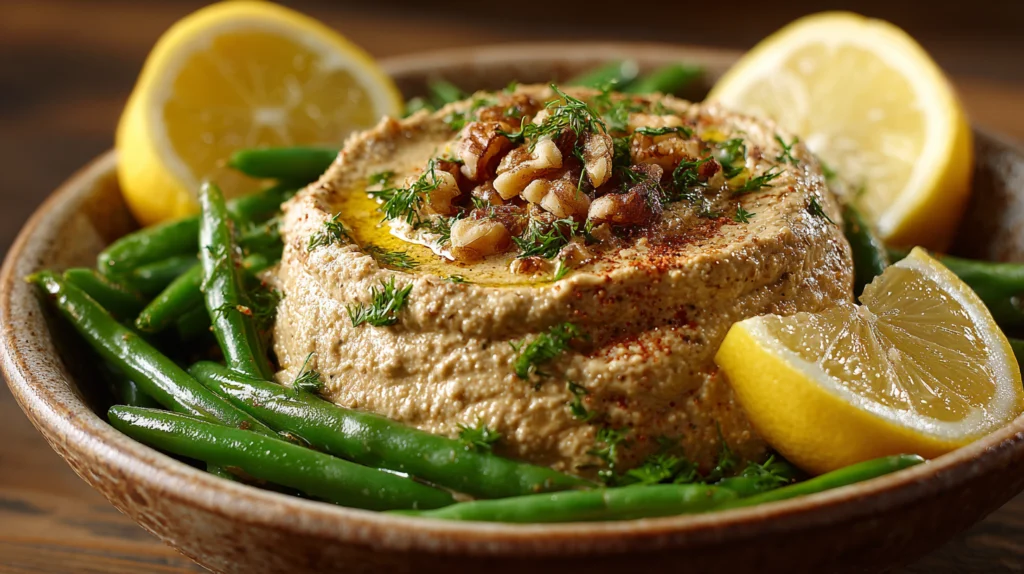
A Vegetarian Delight
Mock Nutty
Chopped Liver
Recipe By Evan Bloom, Wise Sons Jewish Deli
Ingredients
- 4 large yellow onions, thinly sliced
- ¼ cup olive oil
- 4 large eggs
- 1 lb green beans, halved
- 2 cups frozen English peas
- 1 cup walnuts, lightly toasted
- 2 garlic cloves, finely chopped
- 1½ tsp kosher salt
- Fresh cracked black pepper, to taste
Instructions
- Cook onions: Heat oil in a large skillet over medium heat. Add onions; cook 5–8 minutes until softened. Add ½ the salt, reduce heat to medium-low, and cook 40–45 minutes, stirring occasionally, until deep brown and jammy. Add in the last garlic for 10 minutes.
- Cook eggs: Boil 10 minutes. Cool, peel, and roughly chop.
- Cook vegetables: Boil green beans 4 minutes. Add peas for the final minute. Drain, rinse cold, and dry היט.
- Process walnuts: Pulse to a coarse, sandy texture (do not overprocess).
- Combine: Add eggs, green beans, and peas to the processor. Pulse until smooth. Season with remaining salt and pepper.
Serve: Chilled or at room temperature.

