
Honoring Tradition, Delivering Hope This Passover
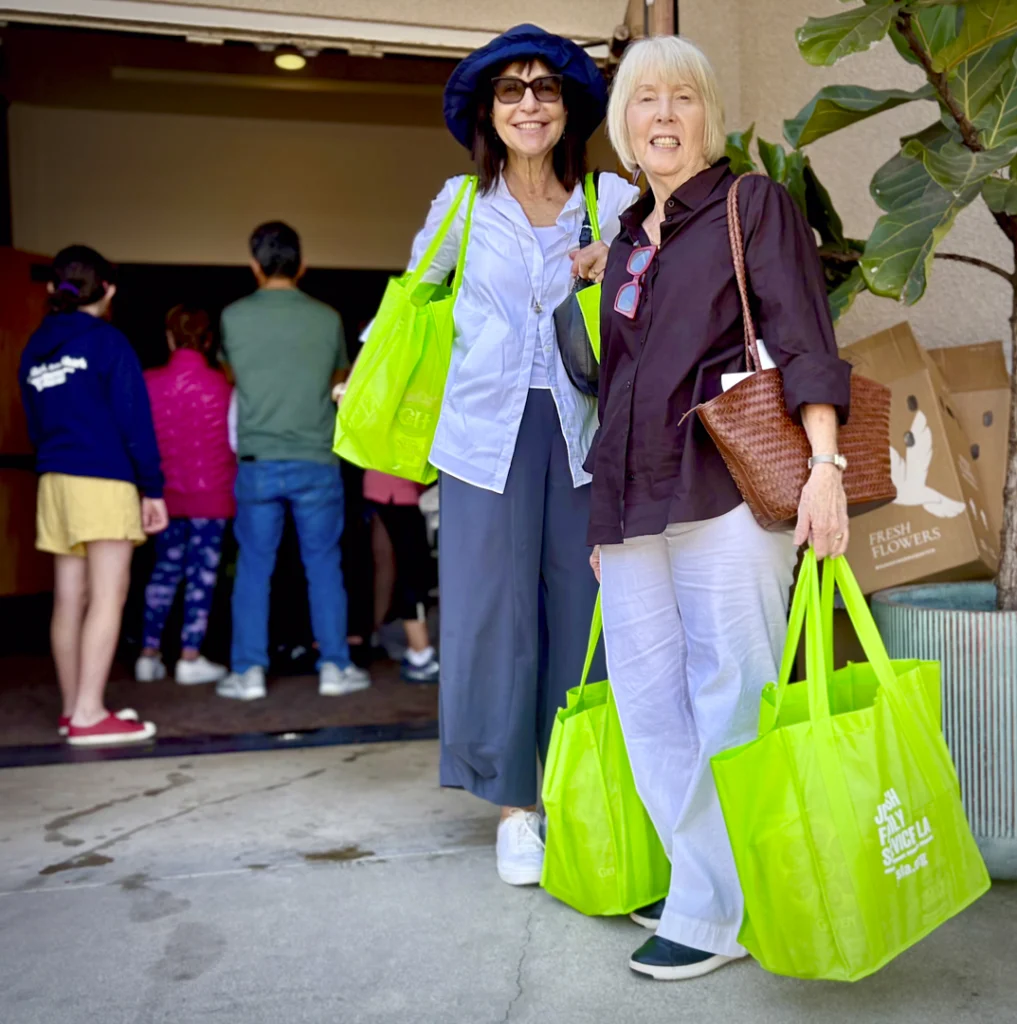
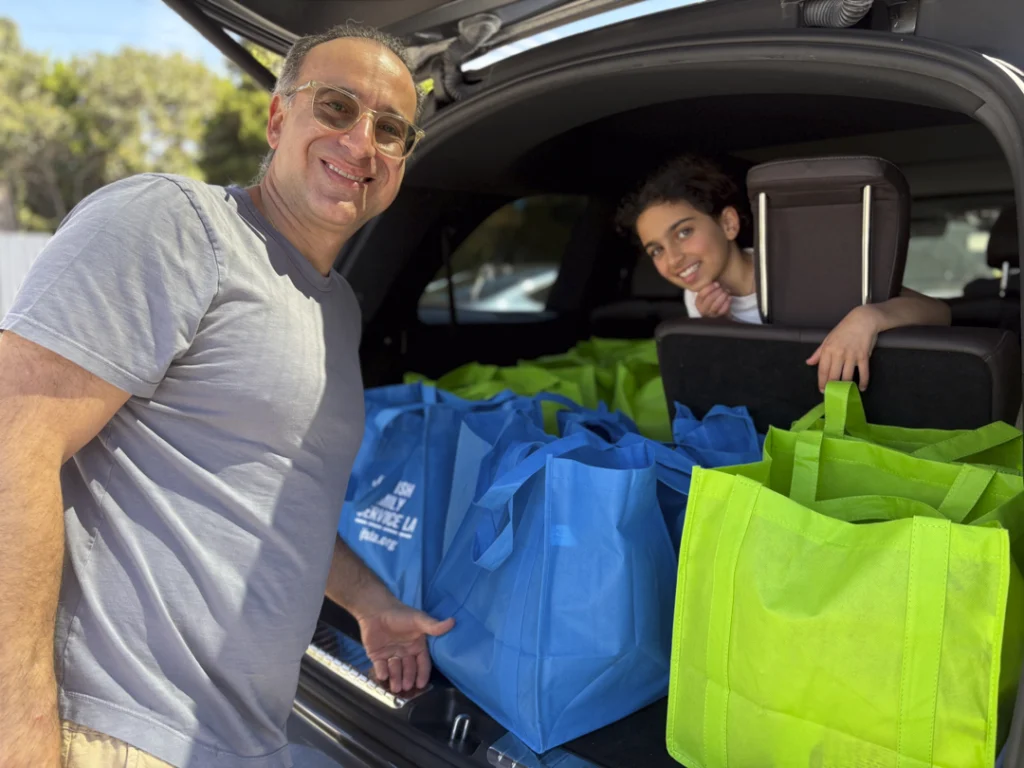
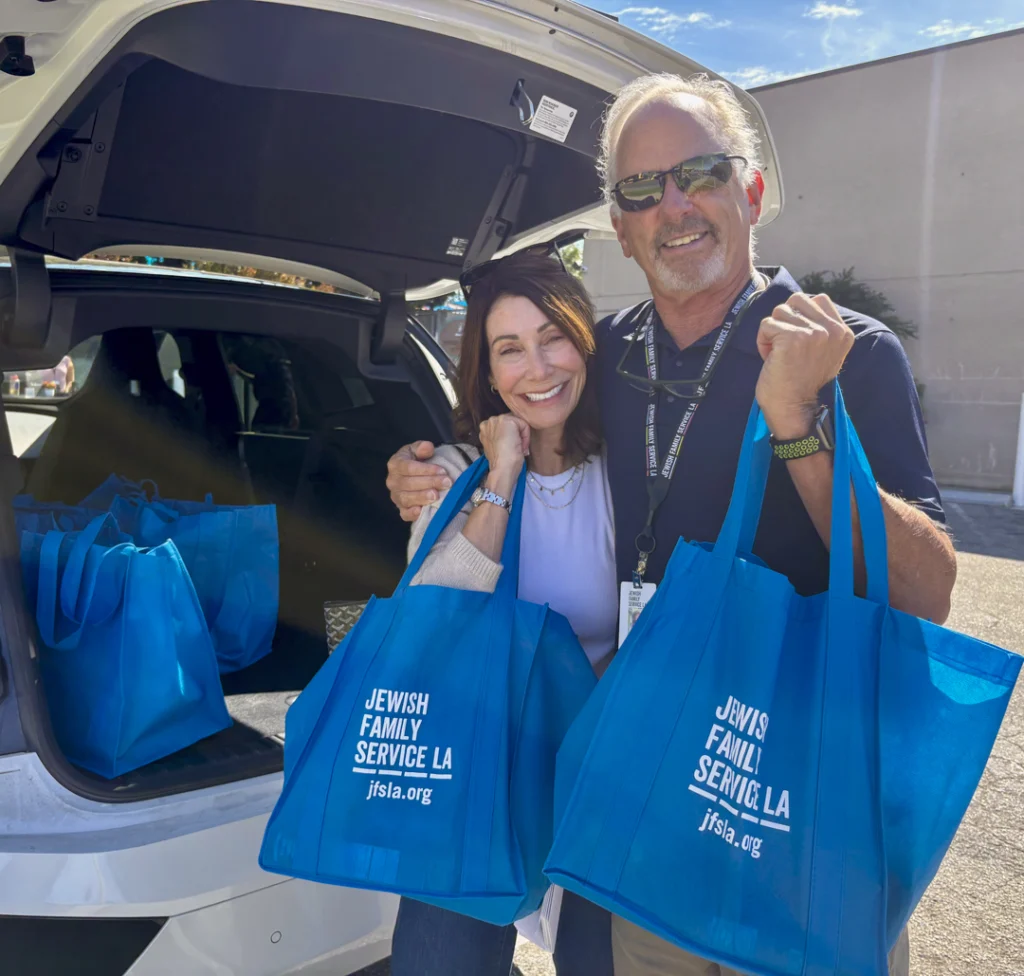
Each year, JFSLA partners with Adat Shalom Synagogue and Valley Beth Shalom to bring Passover essentials directly to the homes of Holocaust survivors across Los Angeles and the San Fernando Valley.
Survivors received holiday staples including eggs, matzo, sugar, grape juice, macaroons, and flowers. Volunteers from across the community together to assemble and deliver the packages, ensuring that each recipient could prepare for the holiday with dignity and ease.
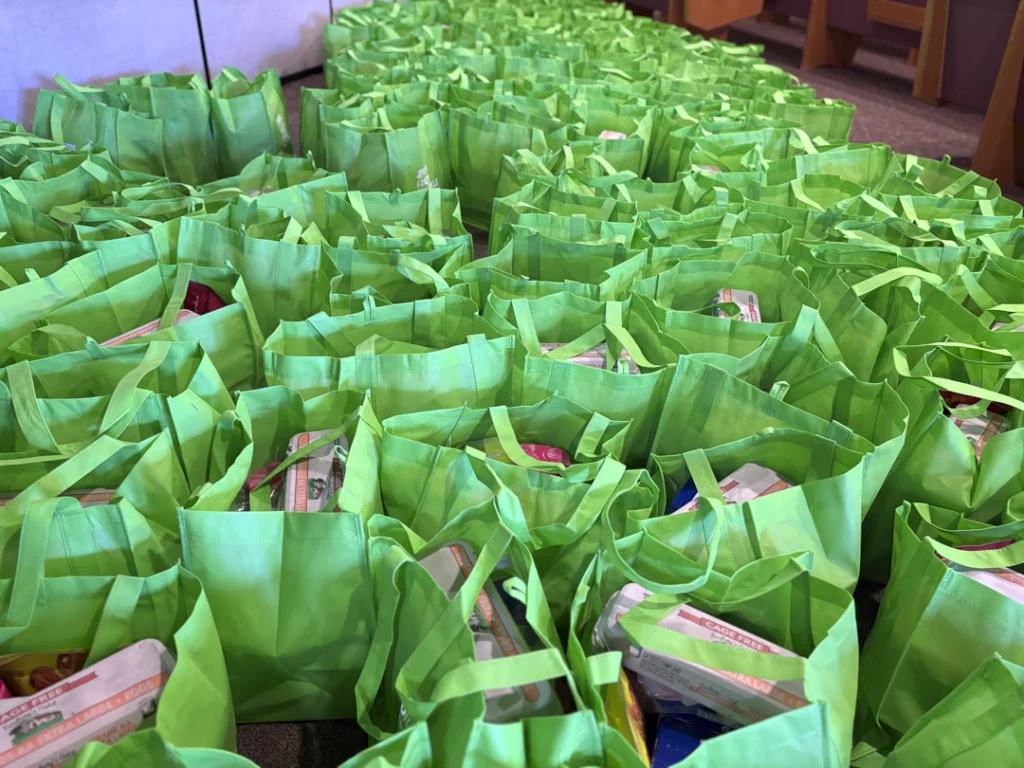
This meaningful tradition began more than six years ago through the leadership of Rabbi Nolan Lebovitz, Senior Rabbi at Valley Beth Shalom and a longtime partner of JFSLA. He attended Café Europa—JFSLA’s weekly social program for Holocaust survivors—and, seeing firsthand the vibrant community of survivors who gather for holidays and special events, was inspired to do more. He helped secure funding for Passover groceries and partnered with JFSLA to organize volunteers to assemble and deliver the packages.
The initiative began by serving 200 households and has since grown significantly. Today, 365 households receive deliveries across the City and the Valley.
“Our Passover deliveries carry more than groceries,” said Kimiko Kelly, JFSLA’s Director of Arts, Wellness, and Engagement, who coordinates the project annually. “With each bag, volunteers bring care, joy, and a reminder to survivors that they are not alone.”
Passover is also a time of gathering and celebration across JFSLA programs. Through Café Europa, participants came together at the Gunther-Hirsh Family Center and the Valley Storefront Community Resource Center for special Passover celebrations, including a deeply meaningful seder surrounded by tradition, resilience, and the spirit of freedom.
JFSLA’s Senior Nutrition Program held three additional community seders for seniors of all backgrounds coming for a free, hot lunch at the Jona Goldrich Multipurpose Center, the Claude Pepper Senior Dining Center, and the Valley Storefront Community Resource Center, welcoming nearly 180 participants.
Each seder features a traditional holiday meal, including herb and garlic roasted chicken, matzo ball soup, carrot tzimmes, and a ceremonial seder plate. All meals are prepared by the team at the Hirsh Family Kosher Kitchen, which undergoes a meticulous Passover transformation each year—removing all chametz and deep cleaning and sanitizing every surface and piece of equipment in accordance with glatt kosher standards.
“The seder creates a space where clients can come together, share stories, and feel part of a community,” said Stratton Harrison, JFSLA’s Congregate Meal Supervisor. “For those who may not have family nearby, our senior meal sites become places of connection. For many, these seders are about more than tradition—they are about belonging.”
In addition to congregate meals, all homebound seniors in the program will receive Passover meals delivered to their homes. Ceremonial seder plates are also available upon request, helping clients fully participate in the traditions of the holiday.
“Passover reminds us of the importance of caring for one another,” said Siri Perlman, JFSLA’s Director of Senior Nutrition. “Through every delivery and every shared meal, we strengthen our community and help ensure that no one celebrates alone.”
