
A View from the Breaking Point
By Eli Veitzer
President & CEO
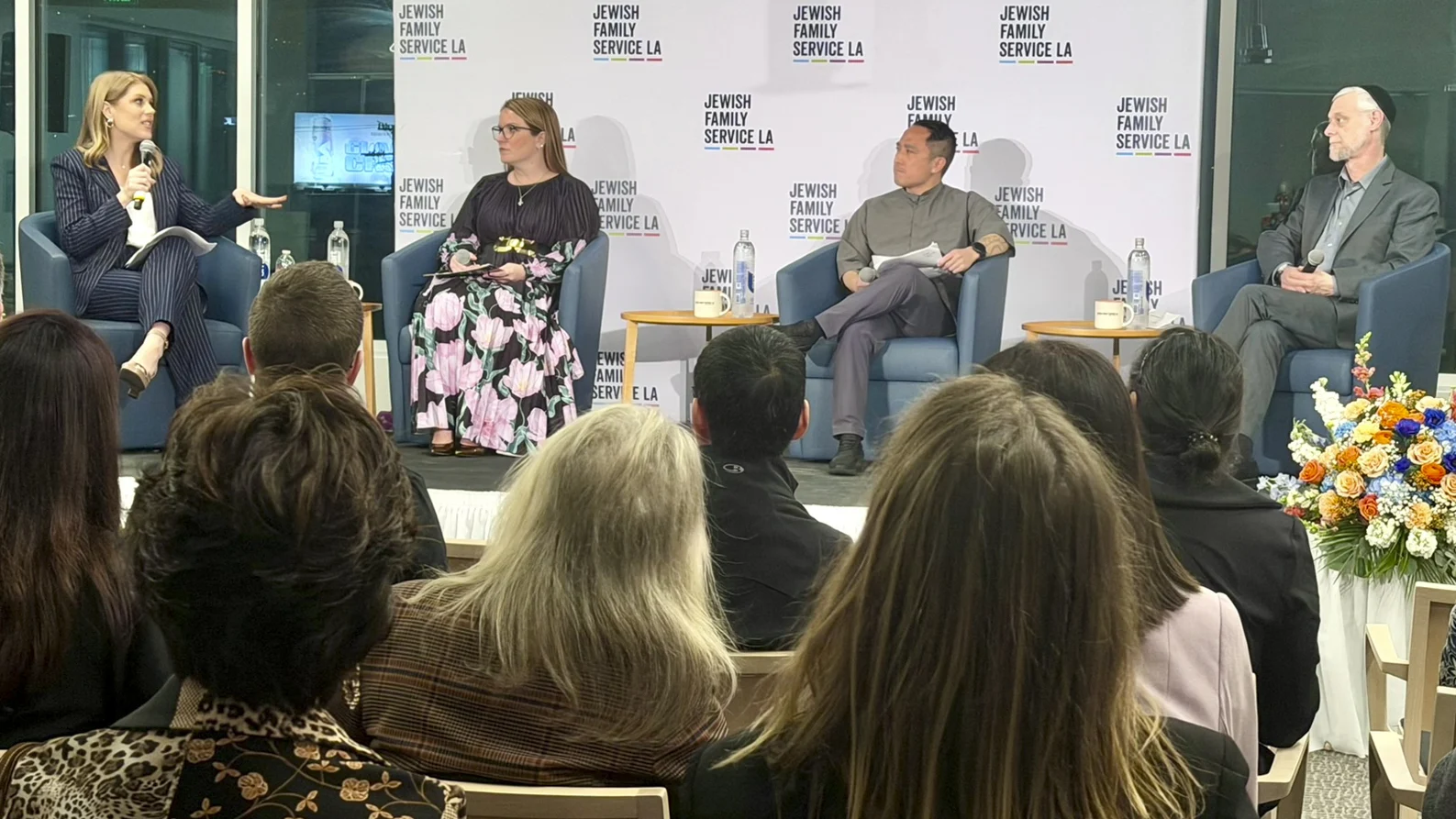
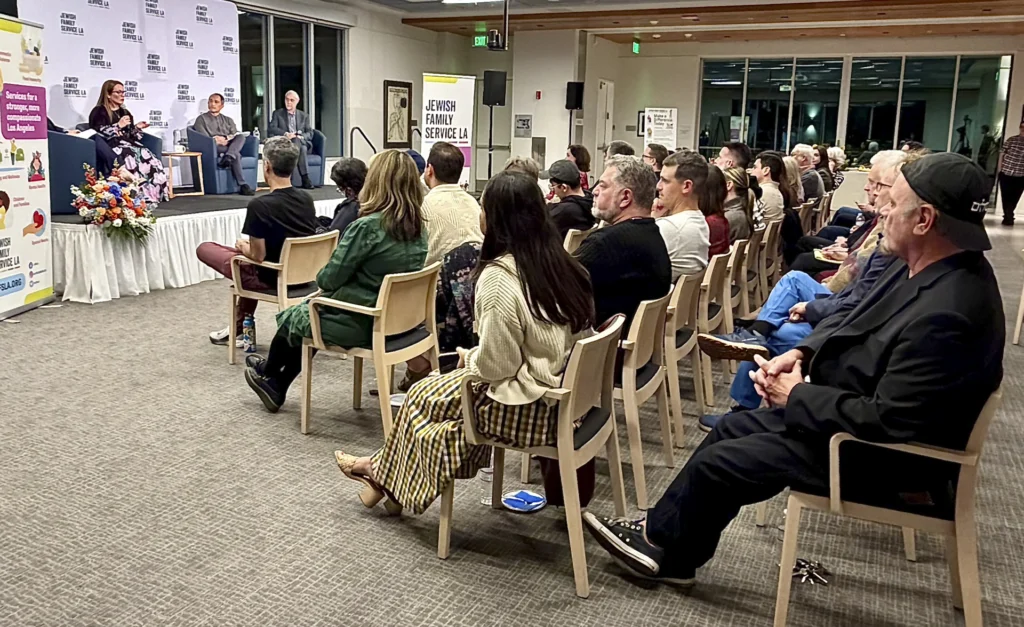
In the days following our recent panel, Breaking Point: The Funding Crisis Pushing L.A. Seniors Toward Homelessness, I have found myself returning to a simple but urgent truth: what we discussed that evening is not a future problem. It is happening now.
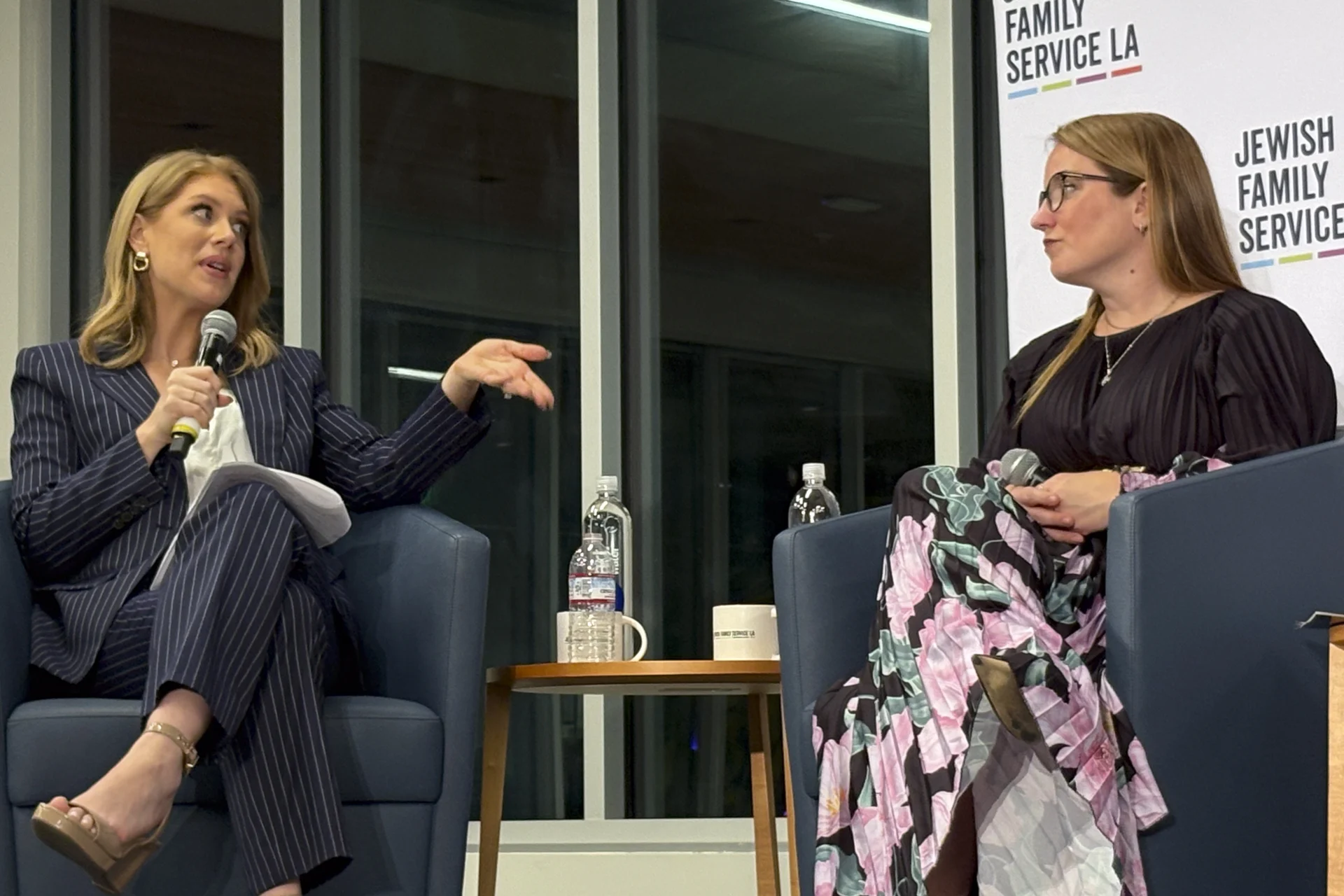
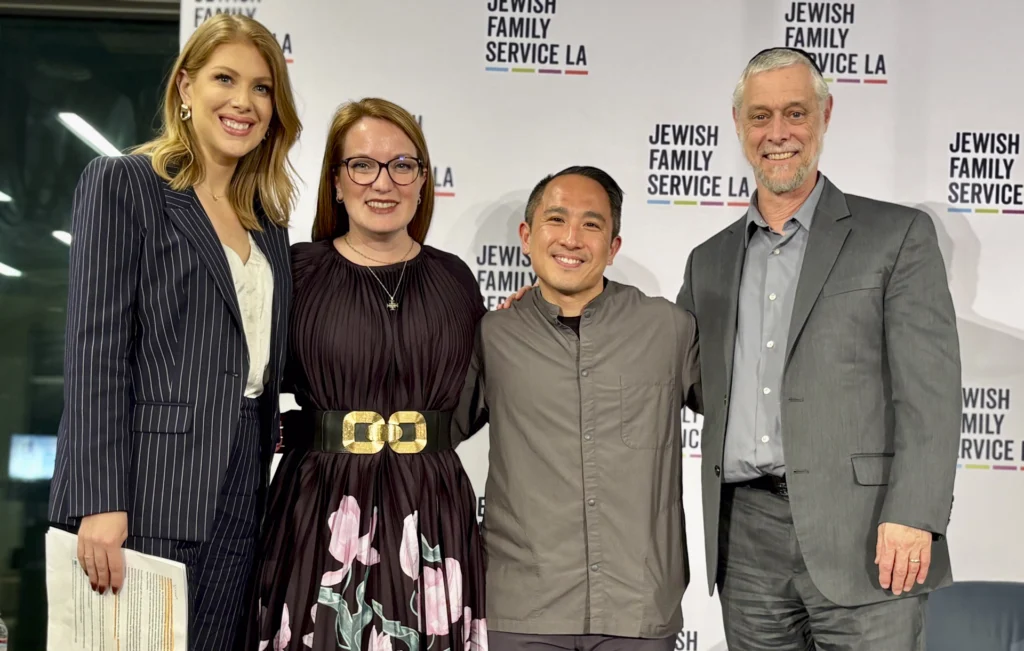
I want to begin with gratitude. To Supervisor Lindsey Horvath, Peter Gee of Little Tokyo Service Center, and our moderator, Spectrum News’ Kate Cagle, thank you for bringing both expertise and clarity to a conversation that demands both. And to everyone who joined us—whether in the room or watching online—thank you for showing up for older adults in Los Angeles in such a meaningful way.
What made this conversation so powerful was not just the data—though the data is impossible to ignore. In Los Angeles, homelessness among adults 65 and older has increased 17.6% in the past year and 36.6% over the past two years. Seniors are now the fastest-growing segment of our unhoused population—and among the most vulnerable.
But what stayed with me most was how clearly my fellow panelists articulated what is driving this crisis.
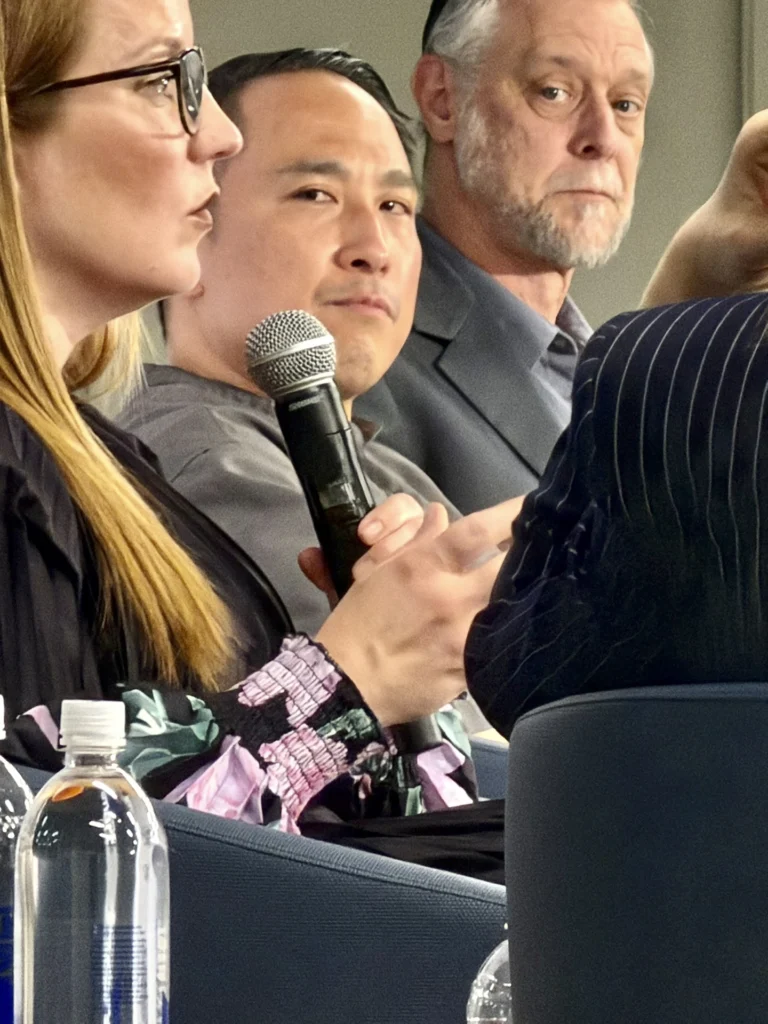
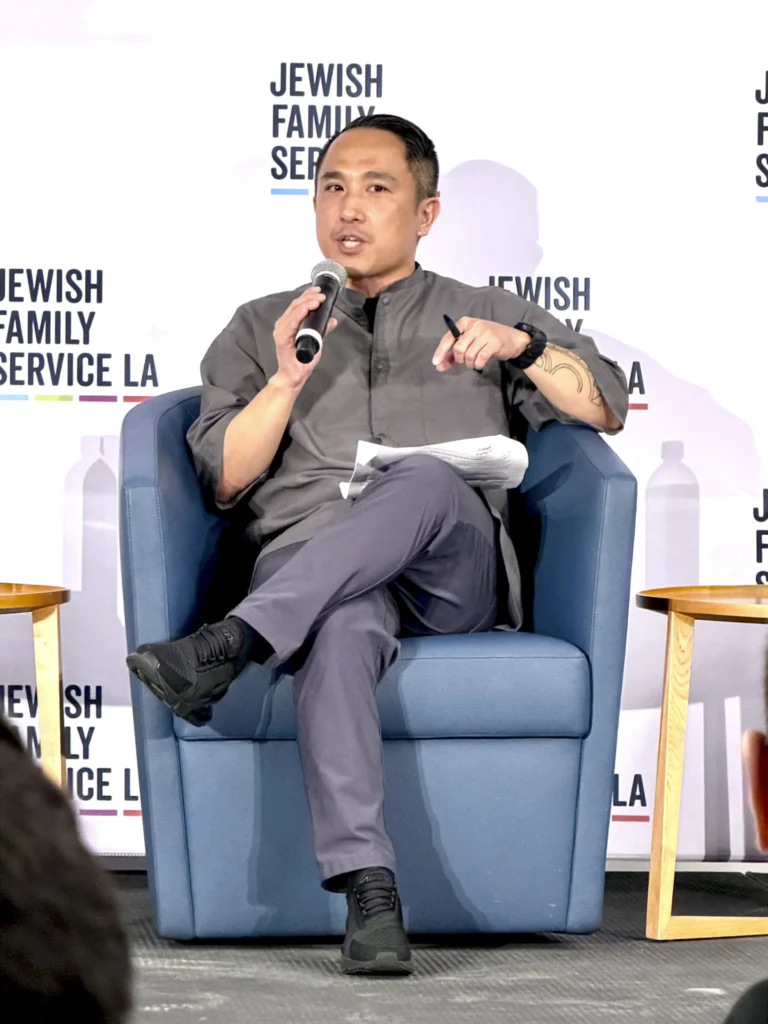
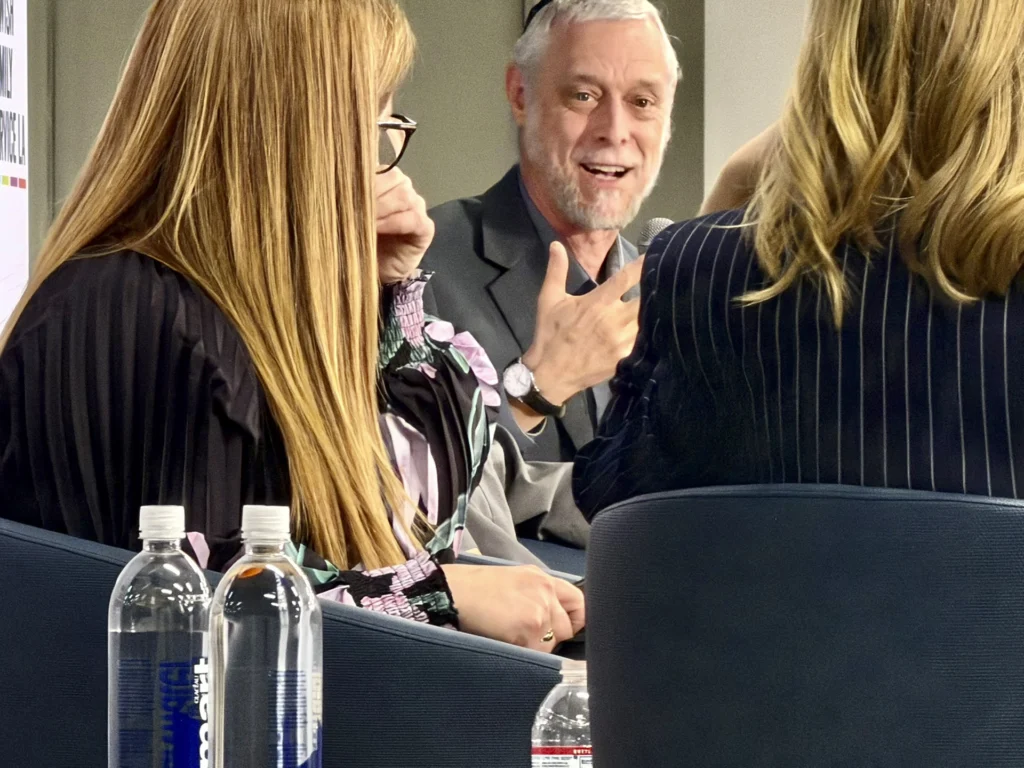
As I shared during the discussion, “most older adults who fall into homelessness later in life do not have a history of homelessness.” That reality challenges many of our assumptions. These are individuals who were living independently—often just one catastrophic event away from crisis—until something tipped the balance.
We heard repeatedly that the issue is not simply about housing supply—it is about early intervention.
Peter Gee put it plainly: “Prevention is not only really important… it’s the thing that actually keeps people from ever entering the system in the first place.” And yet, too often, our systems are designed to respond only after someone has already lost housing.
Supervisor Lindsey Horvath reinforced this tension, noting that even when government is trying to help, “sometimes government gets in its own way.” The fragmentation between systems—housing, healthcare, and aging services—makes it harder to intervene early, when support can be most effective.
Another key takeaway from the evening was that our current homelessness response system was not built with older adults in mind.
As Peter shared, “when we see cuts to the federal government, it has a ripple effect” across the entire safety net. Programs that help older adults stay housed—whether through healthcare, nutrition, or case management—are deeply interconnected. When one piece weakens, the whole system becomes more fragile.
And that fragility is growing.
We are facing a convergence of pressures: rising costs, a rapidly growing aging population, and significant uncertainty in public funding. Proposed federal cuts—including nearly $1 trillion from Medicaid over 10 years and hundreds of billions more from nutrition programs—threaten services that older adults rely on every day to remain stable and independent.
At the same time, local providers are being asked to do more with less.
Despite these challenges, there was also clarity—about what works.
As I noted during the panel, “older adult poverty and housing instability affects hundreds of thousands of Angelenos across every community.” But we also know that targeted interventions—like rental assistance, case management, and ongoing support for extremely low-income seniors—can make the difference between stability and homelessness.
The challenge is not a lack of solutions. It is whether we are willing to invest in them consistently and at scale.
That is why this conversation mattered.
It brought together leaders across sectors to speak honestly about what we are seeing—and what is at stake. It reminded us that senior homelessness is not inevitable. It is shaped by the choices we make: how we fund, how we coordinate, and whether we act early enough to prevent crisis.
And importantly, the evening did not end in despair—it ended in hope.
When asked what gives them hope, each of our panelists pointed not to abstract ideas, but to people. To the dedication of frontline providers who show up every day. To the willingness of leaders across government and community to collaborate in new ways. And to the fact that, even in a system under strain, we are seeing real examples of what works when we invest thoughtfully and act early.
As was shared in that final moment, there is reason to believe that change is possible—not because the challenge is small, but because the commitment to solving it is real.
At Jewish Family Service LA, we have spent more than 170 years responding to moments like this—moments when our community is at risk of leaving its most vulnerable behind. This is one of those moments.
If there was one takeaway from this conversation, it is this: we already have the knowledge, the tools, and the compassion to prevent more older adults from falling into homelessness. What we need now is the collective will to follow through.
That is what gives me hope. And that is what will make the difference.
If you were not able to attend the panel discussion, you can watch the recording on our YouTube Channel.

