
From Senior Living to Sober Living—Evictions, Closures, Then a Quiet Change of Use
by Rachael Gaudiosi
Jan 22, 2026

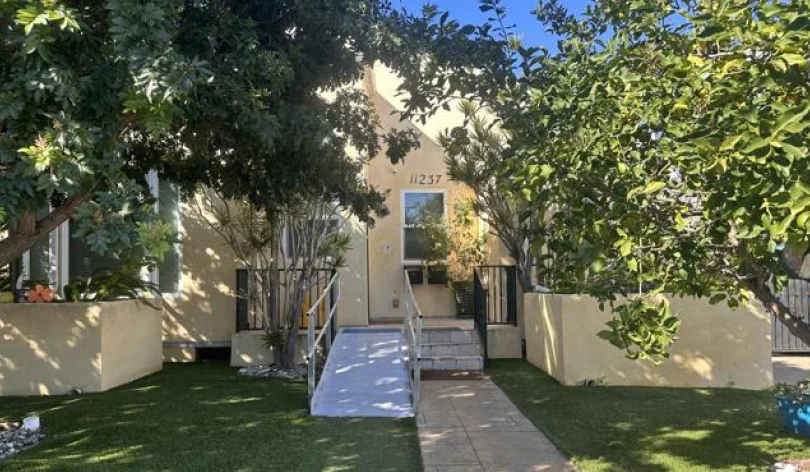
Photo by Rachael Gaudiosi
LOS ANGELES — At the end of 2024, more than 20 senior citizens were evicted from a pair of assisted living facilities on the border of Del Rey and Culver City after the operations were shuttered. The closures were only the first thing to surprise neighbors. The bigger shock—months later both sites reopened as sober living facilities.
The change came without any warning to neighbors, and it was not an isolated incident.
Since 2020, 24 senior assisted living facilities have closed across the Westside, eliminating 841 beds at the same time senior homelessness continued to rise. Several of those sites have since been repurposed for behavioral health, homeless, or sober housing.
Multiple residents claim that these shifts happened with little notice and even less transparency, prompting a backlash in certain neighborhoods.
“Seniors have an entirely different lifestyle than young people. They care about the community and aren’t as intimidating,” said Andrea White, who watched multiple senior complexes in her Del Rey neighborhood become sober living facilities. “I sympathize with both sides, but the neighborhood has really lost its character. I no longer feel comfortable doing the things I used to love doing, like gardening in my front yard.”
The conversions have occurred across the Westside.
Senior Living Facilities Closed on the Westside since 2020. Based on information provided by the California Department of Social Services.
In Cheviot Hills, a 100-bed facility was shuttered, and plans to convert the building to homeless housing have drawn scrutiny and a federal fraud investigation. In Santa Monica, 72 seniors were evicted when the operators of a pair of facilities shut down and began a shift to behavioral health housing. After residents and council members raised alarms about a lack of notice, county officials halted the conversion.
But the same cannot be said for some facilities in the city of Los Angeles.
From Senior Living to Sober Living Without a Word
On Sawtelle Boulevard, 15 beds formerly for seniors are now being used for sober living—following substantiated allegations of illegal eviction of the elderly residents. Down a couple blocks, six more beds on Lucerne Avenue were lost following conversions.
A wheelchair ramp marks the entrance to a sober living facility that previously sought state approval for senior assisted living in Del Rey—an application later pulled. Photo by Rachael Gaudiosi
The transition has been a shock for residents such as Sharon Carter, who has seen nearly 10 sober living facilities arrive in the Del Rey and Culver City area in the past few years.
“We were all very happy to hear about the senior living facilities going up. It was a community need we were excited to make space for,” said Carter. “We would have said no to more sober living houses. We don’t need any more.”
Before these houses were converted, Carter and her neighbors helped approve a new building permit to add another senior facility to the area. Now, with a trend emerging and senior housing applications withdrawn from the state on other projects, residents fear this facility could shift to sober living once construction is finished.
Alongside residents, the Del Rey Neighborhood Council (DRNC) is drawing attention to the practice and its impacts on the community.
An abandoned senior housing construction site in Del Rey sits unfinished after the project’s senior living application was withdrawn — neighbors now worry the property could later reopen under a different use.
Neighbors say the Del Rey construction site has sat idle for at least a year, leaving an unfinished shell behind. Photo by Rachael Gaudiosi
A sober living facility in Del Rey, formerly approved and operating as an assisted living facility for seniors.
“Currently, homeowners and residents have experienced the
effects of a documented pattern of over-developing properties intended as ‘senior living’ and then filing a change of use and converting them to unregulated sober living homes,” read a community impact statement from the DRNC attached to a city motion that seeks to regulate the concentration of sober living facilities in the city.
Even if that ordinance limits the density of sober living facilities, it would not address the growing number of senior homes that have already shut down or transitioned to other uses.
“My house used to be my sanctuary, but now I’m on edge looking out the window all the time,” said Carter. “There’s a lot of kids in the neighborhood who walk past these facilities everyday to go to the schools nearby and we know nothing about the revolving door of people they are being exposed to.”
Senior Homelessness Rises, Assisted Living Bed Counts Lower
While the Los Angeles Homeless Services Authority (LAHSA)reported the overall unhoused population has declined in recent years, advocates have been raising alarms about one steadily increasing group—seniors.
Since 2023, the number of unhoused individuals aged 65 and older has risen by more than 35%, according to LAHSA counts. In 2025, approximately 4,680 people aged 65 and older were experiencing homelessness in the City of Los Angeles—up from 3,427 in 2023. Countywide, roughly 25% of the homeless population is now age 55 or older.
Over that same period, advocates say the safety net for seniors has shrunk.
In 2021, the County Director of Mental Health reported that the number of senior facilities closing had “greatly increased” since the start of the COVID-19 pandemic. The report pointed to anecdotal evidence suggesting this was largely due to increased expenses and operational stress. It emphasized the need to “find new ways to support these facilities both technically and financially and ensure they have the capacity to survive the pandemic and continue to provide quality care to their residents.”
Yet the trend has not reversed. In addition to the 24 Westside senior facilities that shuttered, nearly 1,000 others across the county have also closed according to the California Department of Social Services.
“The last couple of years the trends have been clear,” said Eli Veitzer, CEO of Jewish Family Service LA (JFSLA). “We’re losing services for seniors at the time when they are desperately needed.”
It’s probable that sober living facilities have better profit margins than senior services, according to Vietzer, who had to shutter some meal operations himself at JFSLA last year after funding cuts.
During the tight budget year in 2024, the Los Angeles City Council voted to end senior meal delivery, leaving some seniors —including those with mobility disabilities—struggling to reach congregate meal locations. Last year, seniors faced further meal cuts, with multiple other sites shuttering alongside JSFLA.
Veitzer emphasized that senior incomes have not kept up with inflation, leaving many with few options when they don’t have financial family support. Without that backstop, he said, many seniors end up on long waiting lists for affordable housing.
At the same time senior resources continue to dwindle, advocates fear more older adults may have little option outside of vehicle living or street homelessness if they do not have families step in to support them or facilities to help house them.

